Last updated November 21, 2026
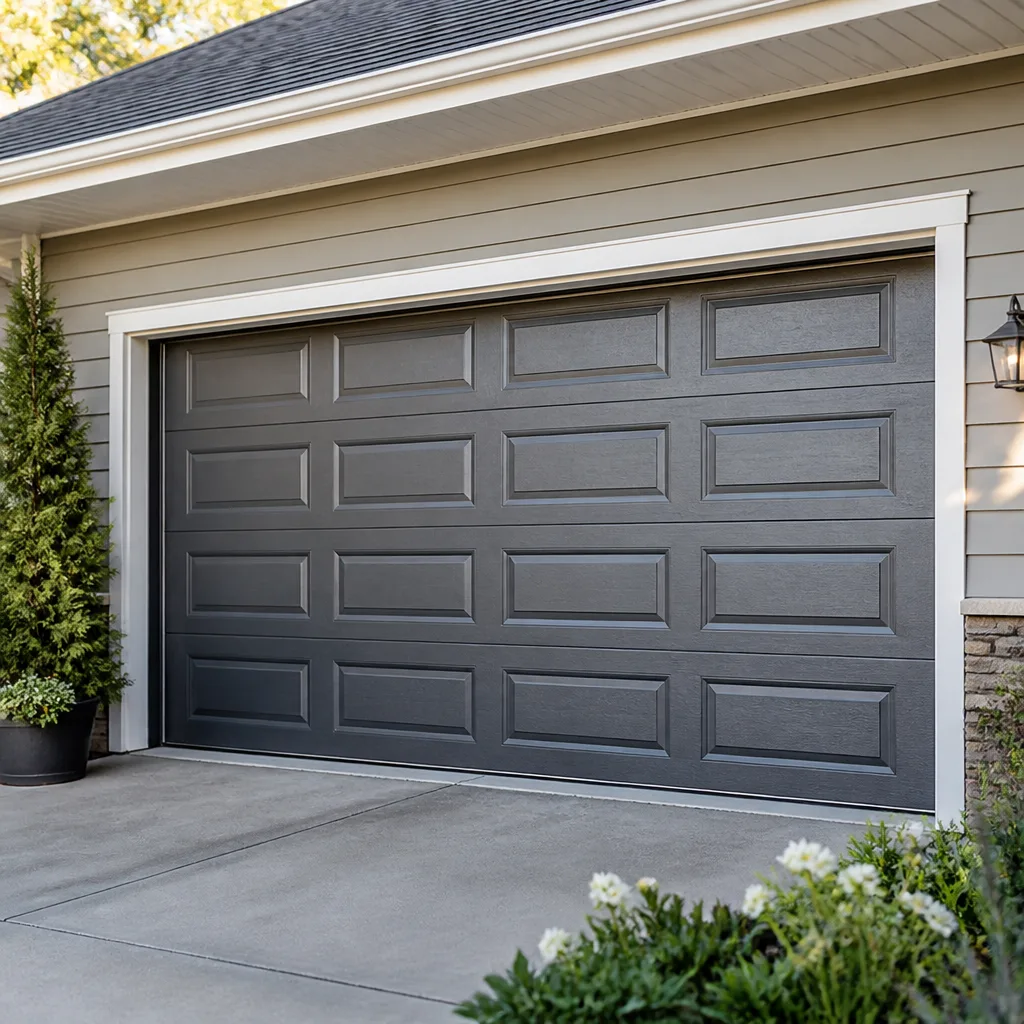 Raised-panel steel
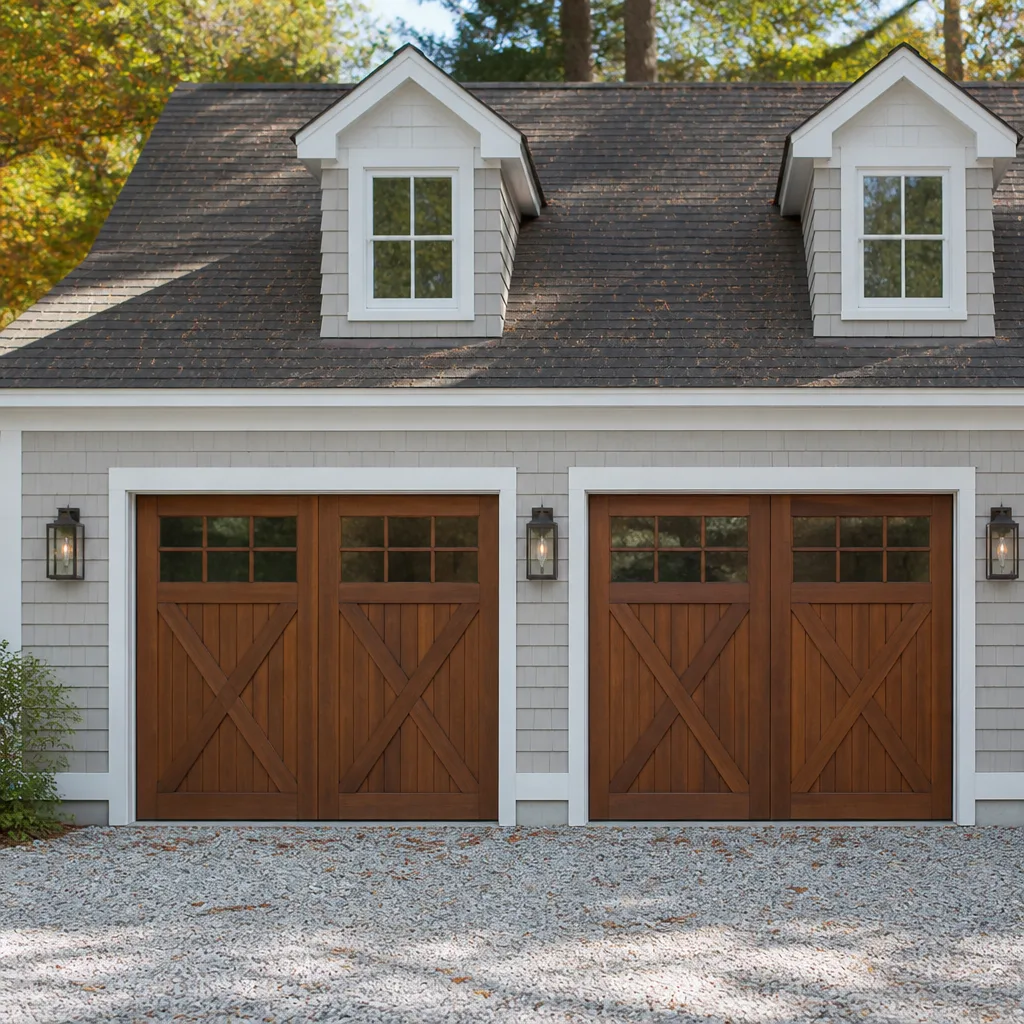 Carriage house
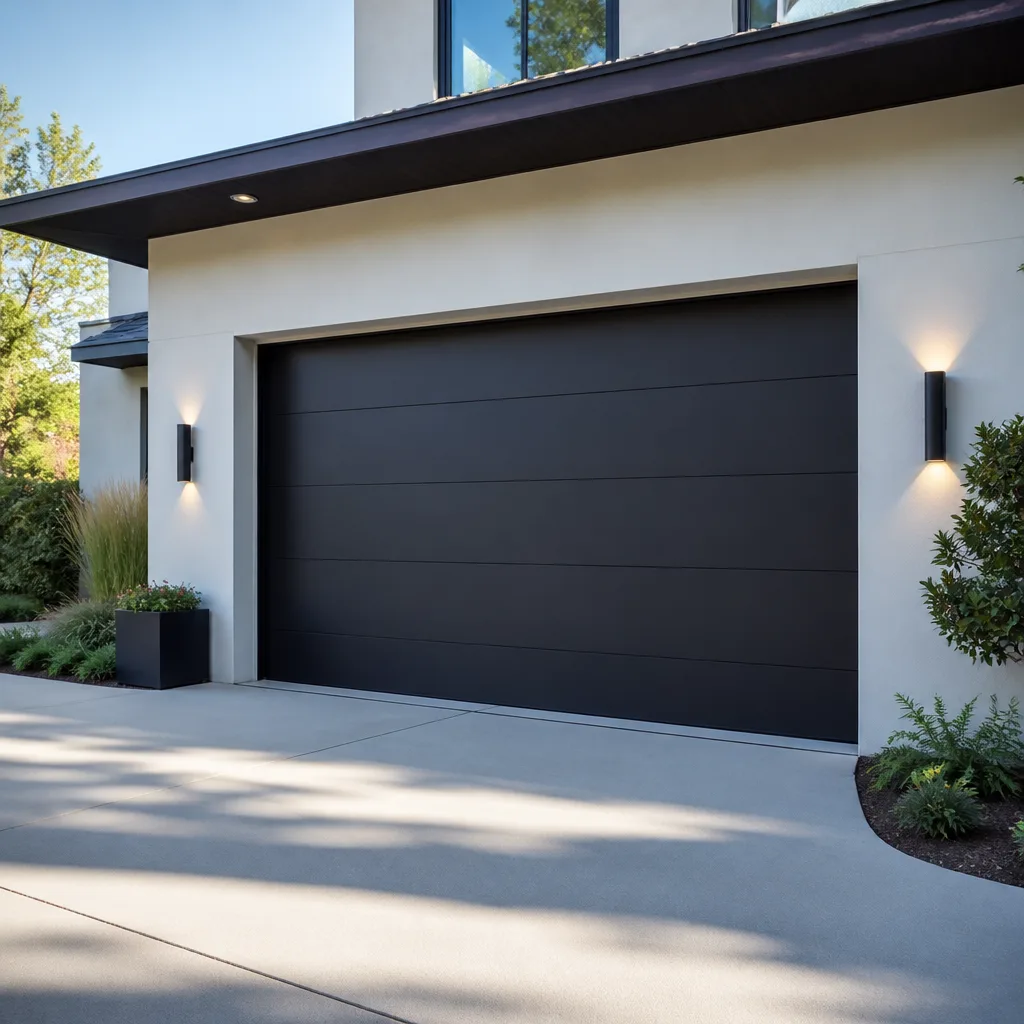 Modern flush
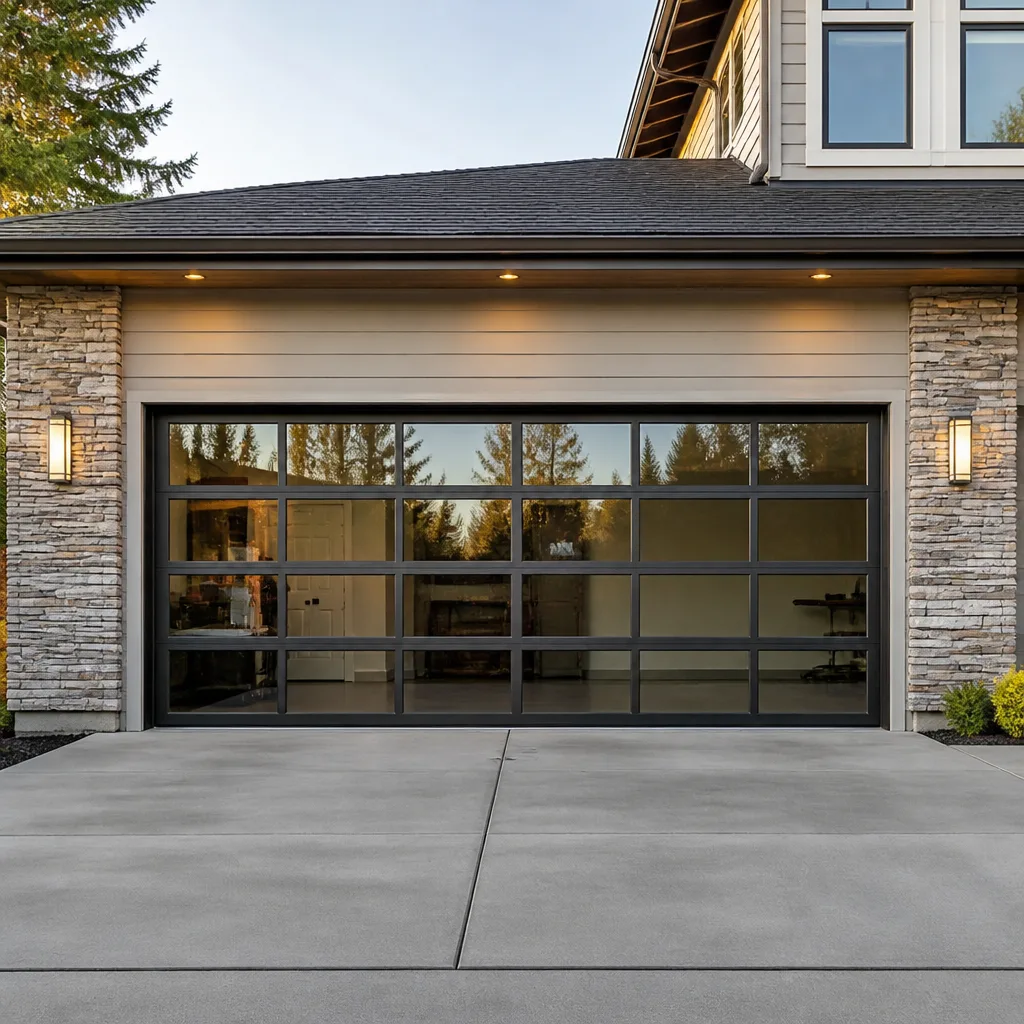 Full-view glass
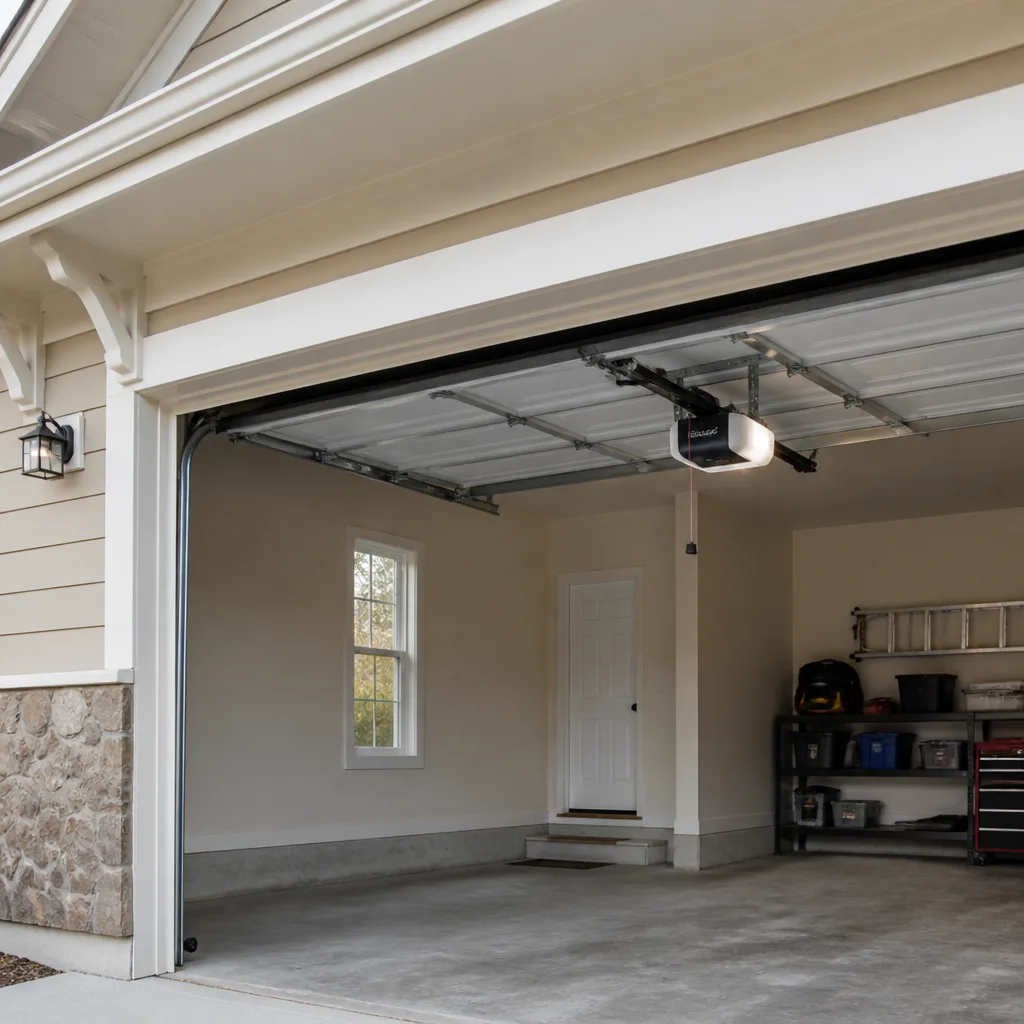 LiftMaster openers
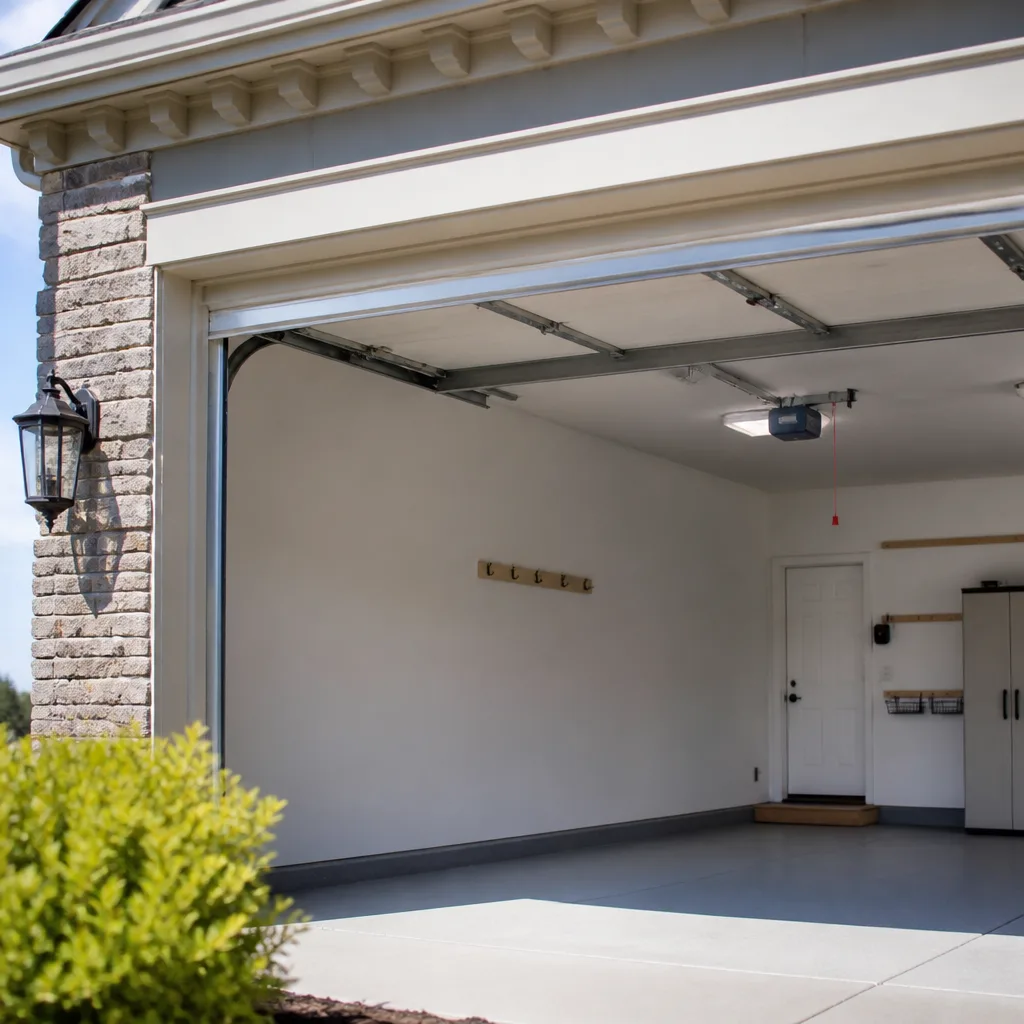 Chamberlain openers
Full 25-point door and opener safety check with every visit - springs, cables, rollers, tracks, and your LiftMaster or Chamberlain opener included
You get a price before we start. It does not change when the pro arrives.
Get your free estimateGarage Door Emergency Preparedness Guide for Bushwick Homes
Most garage door advice assumes a driveway, a lawn, and room to walk around the door. Bushwick doesn’t work that way. A lot of the homes here open straight onto an alley, hug a shared wall, or tuck a garage under a stoop, so when a door fails you’re not troubleshooting in open space – you’re problem-solving in a tight frame where a stuck door can block a neighbor’s access and leave your property exposed overnight. That changes the first 30 minutes more than any tools you own. In this guide we’ll walk through exactly what to do when a door jams, a spring lets go, or an opener dies: how to secure the opening, when to stop touching it, what to tell the dispatcher, and which failures can safely wait until morning. Everything here comes from the work we do across Bushwick and the surrounding blocks.
Quick Answer
During a garage door emergency in Bushwick, stop operating the door the moment you see a snapped cable, a visible gap in the torsion spring, or a panel off its track on one side. Secure the opening manually, gather your door and opener details, and call a specialist. Failures that involve high-tension springs or cables are genuinely dangerous and belong to a trained technician, not a Saturday afternoon DIY project.
Styles & brands we work with
- Raised-panel steel
- Carriage house
- Modern flush
- Full-view glass
- LiftMaster openers
- Chamberlain openers
Table of Contents
- What to Do in the First 30 Minutes of a Garage Door Emergency
- How to Use the Manual Release Cord Safely
- When You Should Not Operate a Failed Door
- How to Temporarily Secure an Open Door in a Bushwick Alley
- What to Have Ready When You Call for Emergency Service
- After-Hours vs. Next-Day: Which Failures Need Emergency Dispatch
- Why Bushwick Garages Fail the Way They Do
- Spring Failures: The One Failure You Don’t Manage Yourself
What to Do in the First 30 Minutes of a Garage Door Emergency
The first half hour sets the tone for everything after it. Move too fast and you risk injury or more damage. Move too slow and you leave a Bushwick garage open to the street. Here’s the order that works.
- Stop operating the door. If it’s halfway and groaning, grinding, or hanging crooked, release the button and leave it. Cycling a jammed door repeatedly is how a repairable problem becomes a replacement.
- Look before you touch. Stand clear and look at the springs above the door, the cables running down each side, and the gap between the door and the tracks. You’re checking for a snapped cable, a gap in the spring coil, or a panel that’s off-track on one side.
- Secure the opening. If the door is open and unsafe to close, secure the garage the way a homeowner would – park a vehicle in front if you can, or block entry from the alley side. Don’t force the door down.
- Confine pets and kids. A garage door under load or mid-failure can move unpredictably. Keep everyone clear of the tracks and springs.
- Note the details. Write down what happened right before the failure – the noise it made, whether the opener light flickered, whether the door moved at all. That detail is worth more to a technician than anything else you’ll say on the phone.
- Call for help. If the opening is exposed, someone’s car is trapped inside, or you see a spring or cable failure, call emergency service. If the door is closed and safe, you’ve got the option to wait until morning.
Nothing on that list involves tools. That’s on purpose. The most useful thing a Bushwick homeowner can do in the first 30 minutes is slow down and gather information.
How to Use the Manual Release Cord Safely
Every automatic opener has a manual release: a cord, usually red with a handle, hanging from the carriage that rides the center rail. Pulling it disconnects the door from the opener so you can raise or lower the door by hand. It’s the single most useful piece of emergency hardware you own, and it’s also where people get hurt.
Here’s why it’s tricky. An opener disengaged mid-travel can leave the door in a state the springs weren’t designed to hold. A door with a broken spring is very heavy – heavier than most people expect – and pulling the release cord on it can drop it. So before you pull anything, check what state the springs are in.
When it’s safe to use the release cord
- The door is fully closed and the springs look intact.
- You can see both cables are attached at both ends.
- You’re standing to one side, not under the door.
When to leave the cord alone
- Any visible gap in the torsion spring, or a snapped extension spring on the side.
- A cable that has come off its drum or is hanging loose.
- The door is up and you can’t safely lower it by hand – don’t try to control a heavy door by yourself.
If the cord has been pulled and the opener won’t re-engage, the carriage is likely stuck or the release is jammed. That’s a job for a technician. Get the details and call us – one of our trained technicians can walk through the situation and, if the door can’t wait, come out and diagnose it in person. If it’s a garage door opener repair issue with a smart unit like a LiftMaster or Chamberlain, we’ll need the model number off the back of the motor head.
When You Should Not Operate a Failed Door
There are three situations where the safest decision is to stop and call a professional. Those three matter more than every other piece of advice in this guide, because each one has a real risk of injury.
1. A visible snapped cable
The lift cables run down each side of the door under high tension. If one has snapped, the other is now carrying the entire door, and it can fail under the doubled load. Don’t try to lift, lower, or “test” a door with a snapped cable. Secure the opening other ways and call.
2. A visible gap in the torsion spring
Torsion springs above the door store enormous stored energy. If you see a gap in the coil – usually a clean split – the spring is broken. A broken torsion spring won’t lift the door, and forcing the door up by hand risks the whole assembly coming down. This is one of the most mechanically dangerous components in any garage, and it’s where technicians train specifically because it’s where homeowners get hurt most often. Do not attempt to replace a torsion spring yourself.
3. A door off-track on one side
If the door has jumped a track on one side, the panels are now loaded unevenly and the door can twist or drop. Raising it makes things worse. Leave it where it is and get a professional eyes-on.
If any of those three are true, the answer is simple: don’t touch it, secure the area, and call (888) 839-3311. Spring repair is one of our dedicated services because we take that risk seriously, and we handle it by the book.
How to Temporarily Secure an Open Door in a Bushwick Alley
A door stuck open overnight is the situation Bushwick homeowners worry about most, and rightly. Alley access here means an unsecured garage is visible and reachable from the block. You can’t fix the door tonight, but you can make it secure enough to get through until the technician arrives.
Practical options, from simplest to most involved
- Block with a vehicle. If you can park a car across the opening from the alley side, that’s the most dependable short-term barrier. It won’t close the door but it discourages casual entry.
- Use a heavy object against the base. Braced against the bottom panel from inside, a solid barrier can at least signal the door isn’t freely open. Not a real lock – just a first line.
- Cover the opening weatherwise. A tarp hung from the top frame and tied back to the side tracks keeps rain and debris off whatever is inside. Bushwick storms don’t need a lot of wind to push water into an open garage.
- Reinforce locks on any personnel door. If the garage has a walk-through door, that’s your actual barrier tonight. Make sure it’s locked, and if there’s a deadbolt, use it.
- Enlist a neighbor. In a dense block, a neighbor with a sightline to your alley is worth more than most hardware. Ask them to keep an eye on the opening until morning.
Do not try to prop the door closed by lifting it and wedging it. A door that’s partly open is worse than a door that’s clearly open – it looks closed until someone checks, and it invites exactly the wrong kind of attention. Pick a defensible position and call for service either tonight or first thing tomorrow, depending on what failed.
What to Have Ready When You Call for Emergency Service
The difference between a ten-minute call and a twenty-minute one is the information you gather before you dial. Here’s the checklist. Have it written down before you call us.
- Door brand, if known. Major brands vary in mechanism and part availability. Clopay, Amarr, Wayne Dalton, and Raynor all have their own quirks – and our technicians are trained on all of them. A quick glance at the door or the label usually tells you.
- Opener make and model. The model number is on the back or underside of the motor housing. LiftMaster, Chamberlain, Genie, and Craftsman cover most of what we see in Bushwick; if the opener is a smart unit, mention it.
- What happened right before it failed. Loud bang from above the door? Opener light flickered and the door stopped halfway? Grinding sound from one side? Each points to a different cause.
- Current state of the door. Open, closed, or stuck partway. That determines what safety steps happen on arrival before any work starts.
- Whether the door supports anything above it. Under-stoop and under-addition garages are common in Bushwick. If the garage door opening carries load from a structure above, we need to know before we touch it.
- Access details. Alley access, tight turn-ins, or a walk-through entrance – anything that affects how the technician reaches the door. A garage bay that needs a specific vehicle size to access the alley can change how the job gets scheduled.
One thing we never ask: how much you think it should cost. We quote before we start. You’ll always know the price before any work begins, and the written estimate sets the final price.
After-Hours vs. Next-Day: Which Failures Need Emergency Dispatch
Not every failure needs a late-night call. Some do. Here’s the split we’ve come to after working enough Bushwick doors to know which failures compound overnight and which don’t.
Failures that justify emergency service
- A door stuck open and unsecured – especially if the alley is regularly trafficked or the garage stores tools, bikes, or anything worth stealing.
- A car trapped inside the garage that someone needs for work or a medical appointment.
- A door stuck partway that’s leaning or has visibly separated from a track.
- A spring or cable failure with the door in a compromised position.
Failures that can usually wait until morning
- Opener that won’t respond but the door is fully closed and secure.
- Remote or wall button not working (often a battery or a pairing issue – a next-day appointment will sort it).
- Door closes but reverses immediately – safety sensor problem, common after a storm moves debris.
- Noisy operation without a visible failure.
The test is whether the door is secure and whether the problem gets worse with time. A closed door with a dead opener is annoying. An open door in a Bushwick alley at midnight is a risk. If you’re not sure which category you’re in, call – we’ll ask a few questions and tell you honestly whether it can wait or whether it’s a genuine emergency garage door response situation. We’re set up to respond to urgent failures rather than treating after-hours calls as an afterthought.
Why Bushwick Garages Fail the Way They Do
Bushwick’s garage doors have a different wear pattern than suburban doors, and it matters for how you prepare. A few things we see repeatedly.
Alley-facing openings
Many Bushwick garages open directly onto shared alleys, and those doors spend their life cycling in tighter tolerances than a wide suburban driveway. Panels get nudged, tracks get knocked out of alignment, and the photo-eye sensors get bumped whenever something rolls through. If your door is in an alley-facing bay, checking the sensors and the track alignment once a season saves real money.
Non-standard installations
Under-stoop garages, conversions from older carriage houses, and additions built over garage bays are everywhere in Bushwick. These often have non-standard header heights, unusual spring sizes, and low-clearance openers. That means the most important thing you can have ready is what your installation actually is – brand, model, and any visible labels – because the technician will need them to bring the right parts.
Weather swings
New York City summers are humid and winters are cold enough to stiffen metal and change the way a door runs. The wood in older garage frames swells and shrinks with the seasons, which can throw a door off alignment. Roughly once a year it’s worth listening to your door – grinding, rattling, or erratic reversing all get worse in a cold snap. Fix the small stuff before the season turns.
Shared walls
A door that’s hitting a shared wall or a neighboring bay needs alignment work, not a bigger hammer. In dense Bushwick blocks, a door that pulls offline can start rubbing against a neighboring structure, and that’s a real structural concern. Stop operating it and get it looked at.
If you’re noticing anything on this list and want a straightforward diagnosis, one of our technicians can come out and take a careful look. Head to garage door repair Bushwick to see what a full service call covers.
Spring Failures: The One Failure You Don’t Manage Yourself
Torsion and extension springs do the actual lifting on your garage door. The opener just pushes the door along; the springs are what make it possible for one person – or one motor – to raise it. When a spring breaks, the door becomes very heavy, and the remaining spring or cable is under twice its normal load.
That’s why spring work is one of the most mechanically dangerous repairs in residential construction, and why our spring repair service is run by technicians trained specifically for it. We can’t give you a safe way to replace a torsion spring yourself. Nobody can. What we can do is tell you what to check, so you know when to stop.
What to check from a safe distance
- Look at the torsion bar above the door. A gap in the coil means the spring is broken.
- Look at extension springs on either side (older doors). A gap or a loose stretch in one of them means it’s failed.
- Cables: both should be taut from the bottom corner bracket up to the drum. Slack, hanging, or missing means stop.
- Door balance: with the door closed and the opener disengaged, a door should lift easily partway and hold. If it’s hard to move or won’t stay, the springs need attention.
If any of those checks show a failure, don’t operate the door and call us. If you’re weighing repair against replacement and want to see how the full-scope side works, look at garage door installation. A pair of springs is almost always replaced together – a single-spring quote is for one spring, and a matched pair costs about twice that. A written estimate will spell out which one your door needs.
Common Mistakes to Avoid
- Pulling the release cord on a door with a broken spring. It feels like a first step, but a heavy door can drop on you. Check the springs before you touch the cord, every time.
- Cycling a jammed door “just once more.” In a Bushwick alley bay where the sides are tight, one more cycle can turn a misaligned panel into a bent one. Stop when the door stops cooperating.
- Bracing an open door with a brick or a pallet and calling it closed. Wedging a door partway reads as “closed but not really” from the alley. Use a real barrier, not a prop.
- Buying a new opener when the door won’t move. Usually the springs or the door itself are the problem, not the opener. Diagnose the door first, then the opener.
- Calling without the model numbers. Telling a dispatcher “the door is stuck” leaves too much guesswork. The brand and opener model number cut time off a service call.
- Assuming the door supports nothing above it. Under-stoop garages are common in Bushwick. If there’s a room, stoop, or addition above your garage door, that changes the safety plan and the technician needs to know before any work starts.
- Waiting for a dead opener to fix itself. A door that won’t respond overnight is usually a small electrical issue. Letting it go for a week means the door sits unexercised and the small issue compounds. Book the visit; don’t hope.
Most of those mistakes cost money in avoided repairs. The first one can cost more than money.
See the difference
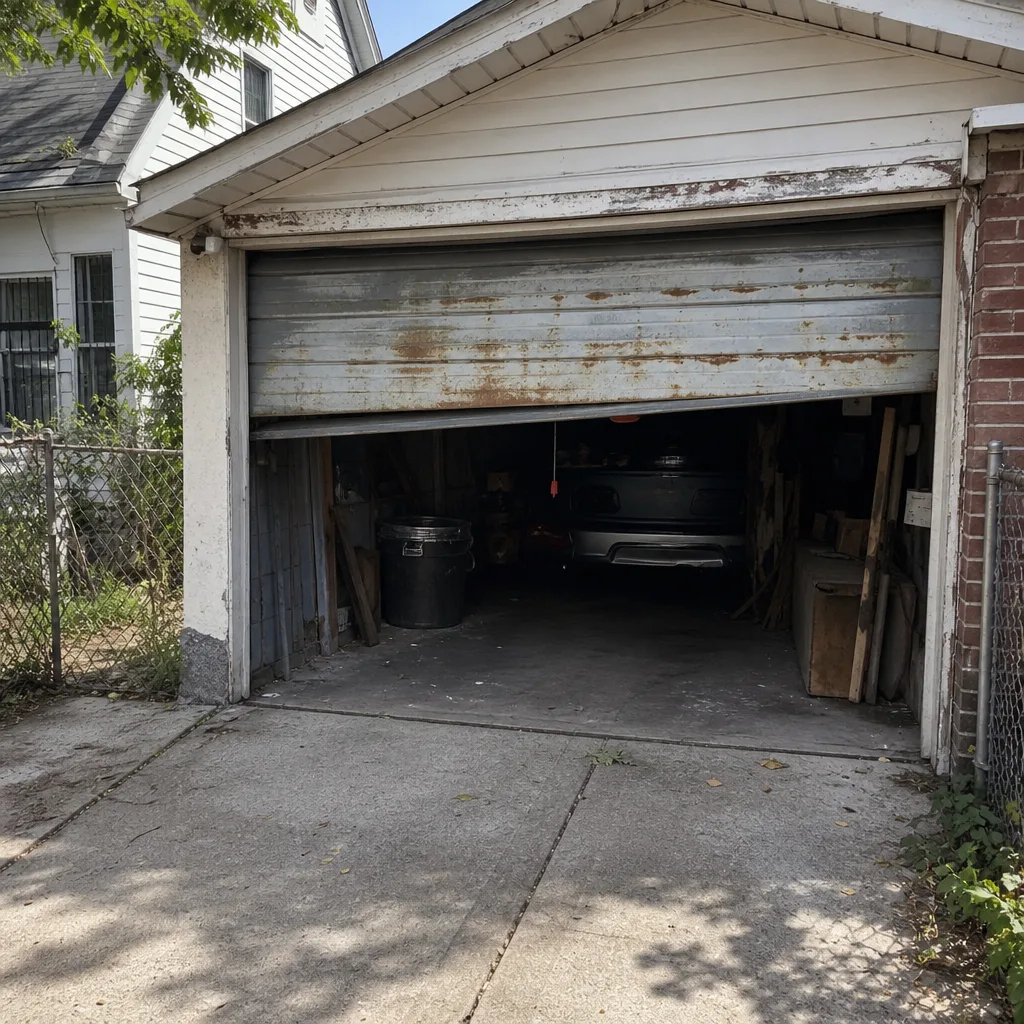 Before
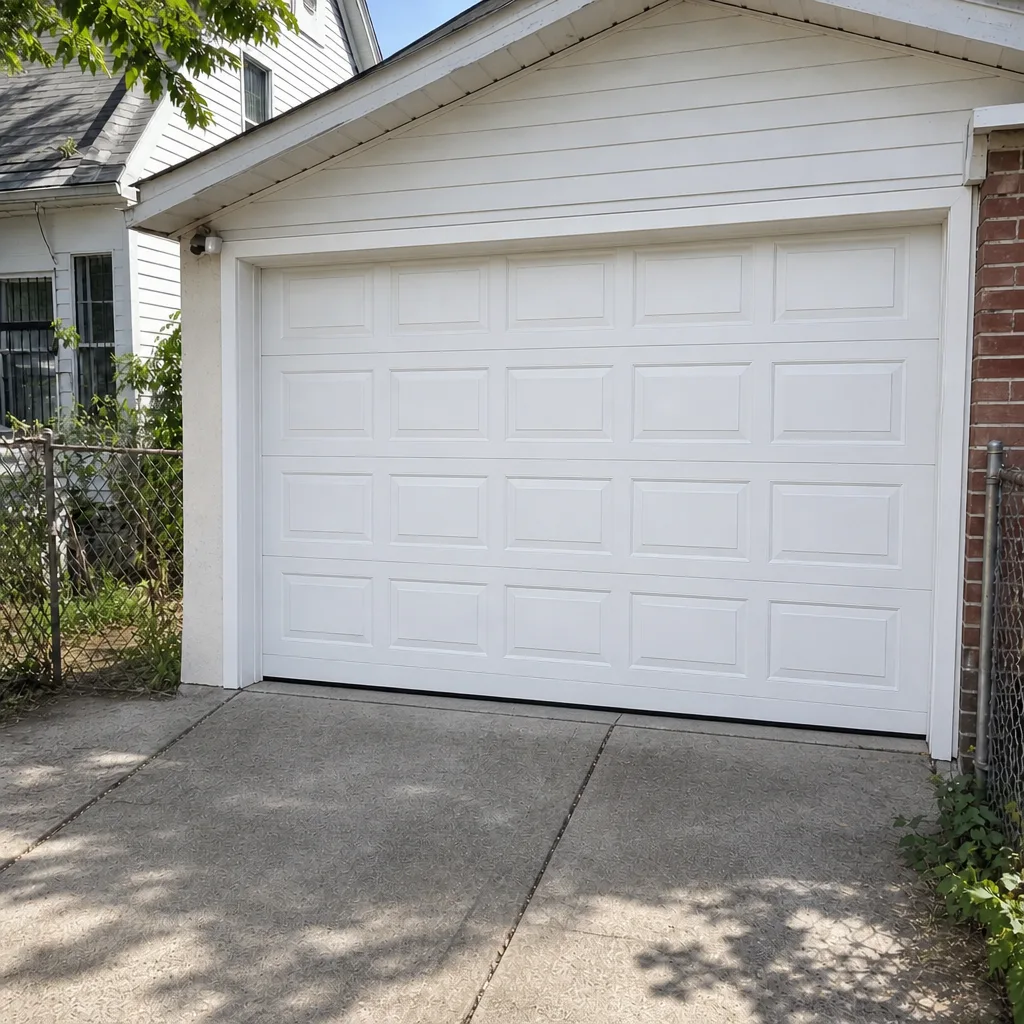 After
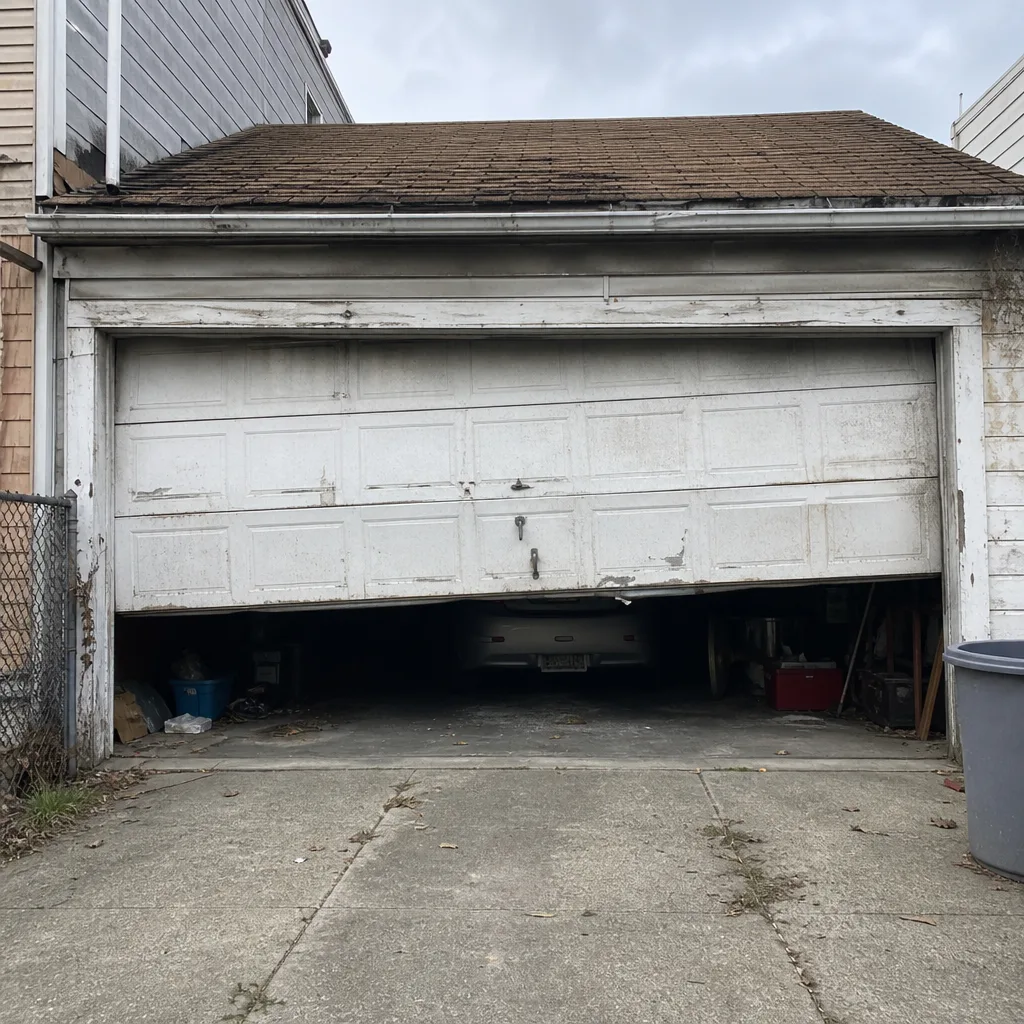 Before
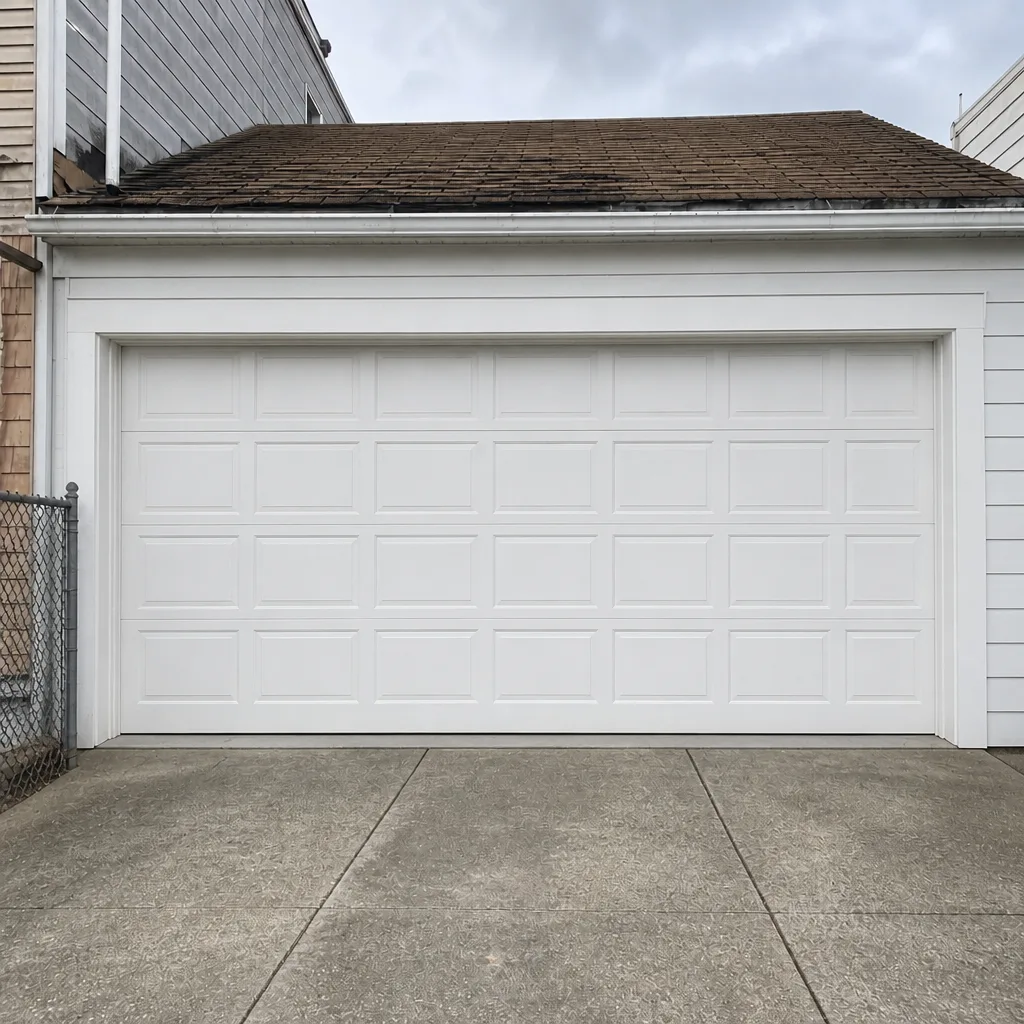 After
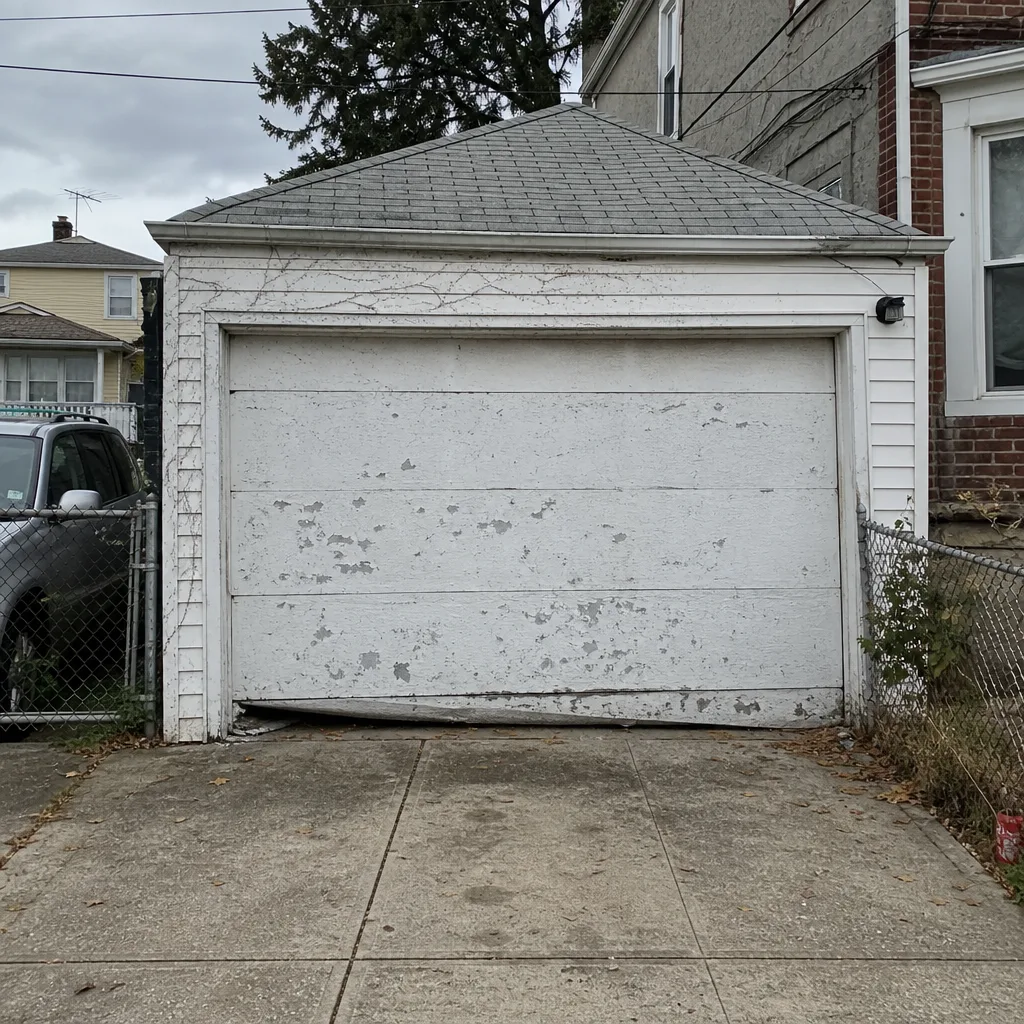 Before
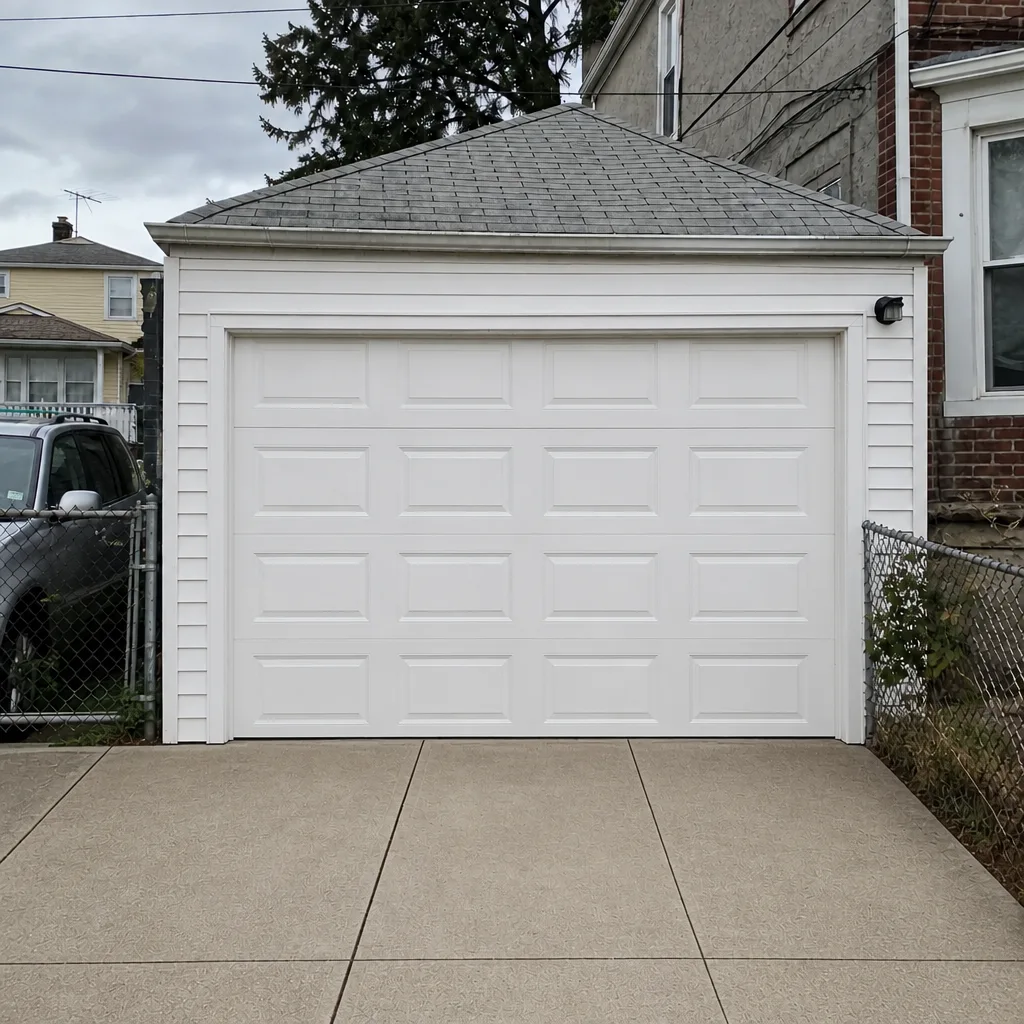 After
When to Call a Professional
The cases where you should stop and pick up the phone: a visible gap in the torsion spring, a snapped cable on either side, a door off its track on one side, a door that’s stuck open and unsecured, or an opener that has completely stopped responding. Any of those is a professional call, and the spring and cable cases are dangerous enough that we’d rather you call and cancel than try to fix them yourself.
For everything else, use the decision framework in this guide. Closed and safe? Book tomorrow. Open and exposed? Call now. Our technicians have up to 15 years of experience with the brands most commonly installed in Bushwick – LiftMaster, Chamberlain, Genie, Clopay, Amarr, Wayne Dalton, Craftsman, and Raynor – so they’re diagnosing the equipment in your garage, not a generic stand-in. Garage Door Repair Bushwick offers free estimates in Bushwick – call (888) 839-3311 for help tonight, or to schedule a next-day visit if the door can safely wait.
If you’re not in an emergency but your door needs routine work, our garage door repair service covers everything from small sensor issues to a full spring swap, and every price is quoted before work starts.
Frequently Asked Questions
Yes, if the door is otherwise healthy. Pull the manual release cord (usually red) to disconnect the opener from the door, then lower the door slowly by hand. Do this only when the springs and cables look intact. If you see a spring gap or a loose cable, don’t try – a door with compromised springs is far heavier than it looks and can drop. Call (888) 839-3311 for an emergency visit if you’re unsure.
A broken spring or a door stuck open in an alley-facing bay. Springs fail from ordinary wear, and Bushwick’s tight urban garages mean a stuck door almost always leaves the opening exposed to the block. Both are situations where waiting until morning has real risk, which is why we treat emergency response as a core service rather than an add-on. Call (888) 839-3311 – the price is agreed before work starts.
No. Torsion springs store high tension and can cause serious injury when released unexpectedly. A visible gap in the spring means it’s broken and the door is on borrowed time. Our spring repair service is dedicated to this work for a reason. If you see a gap, leave the door closed, keep everyone clear, and call (888) 839-3311 – estimates are free.
Block the opening from the alley side with a vehicle if you can, reinforce any walk-through door with its deadbolt, and hang a tarp over the opening to keep weather out. Don’t prop the door partway closed – a partially open door looks closed until someone checks and invites more attention than an obvious opening. Call (888) 839-3311 for an estimate if you want it handled the same evening.
The price depends on what’s wrong, not on what time of day you call. You’ll get an estimate before any work starts, and the written estimate sets the final price – no surprise invoices after the job. Call (888) 839-3311 for a free estimate, whether the call is tonight or tomorrow morning.
Give them the door brand, the opener model, what happened right before the failure, the current position of the door, and access notes for your alley or bay. Mention whether the structure above the garage carries any load. And answer one more question honestly: is the door secured right now, or is the opening exposed to the street? That answer decides whether you need an emergency visit tonight or a next-day appointment. Call (888) 839-3311 – we’ll tell you straight.
The Bottom Line
Most garage door emergencies are decided in the first 30 minutes. Stop operating a failed door, check for the three danger signs (snapped cable, spring gap, off-track panel), secure the opening in a way that actually holds, and gather the details a technician needs to diagnose the door correctly. Springs and cables are never a homeowner job. A dead opener on a closed door can wait; an open door in a Bushwick alley usually shouldn’t. The one number to have saved is (888) 839-3311 – free estimates, up-front pricing, and the price agreed before any work begins.
Written by the team at Garage Door Repair Bushwick.