Last updated November 21, 2026
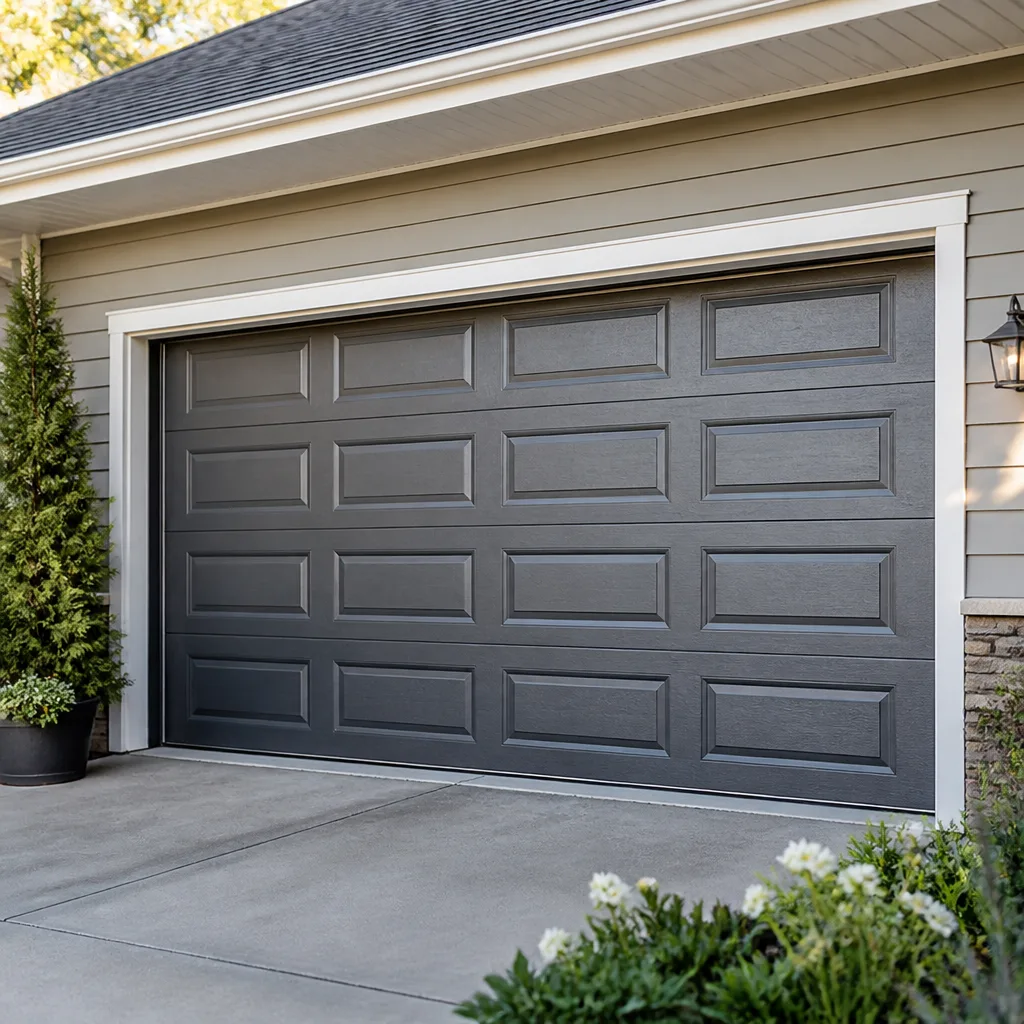 Raised-panel steel
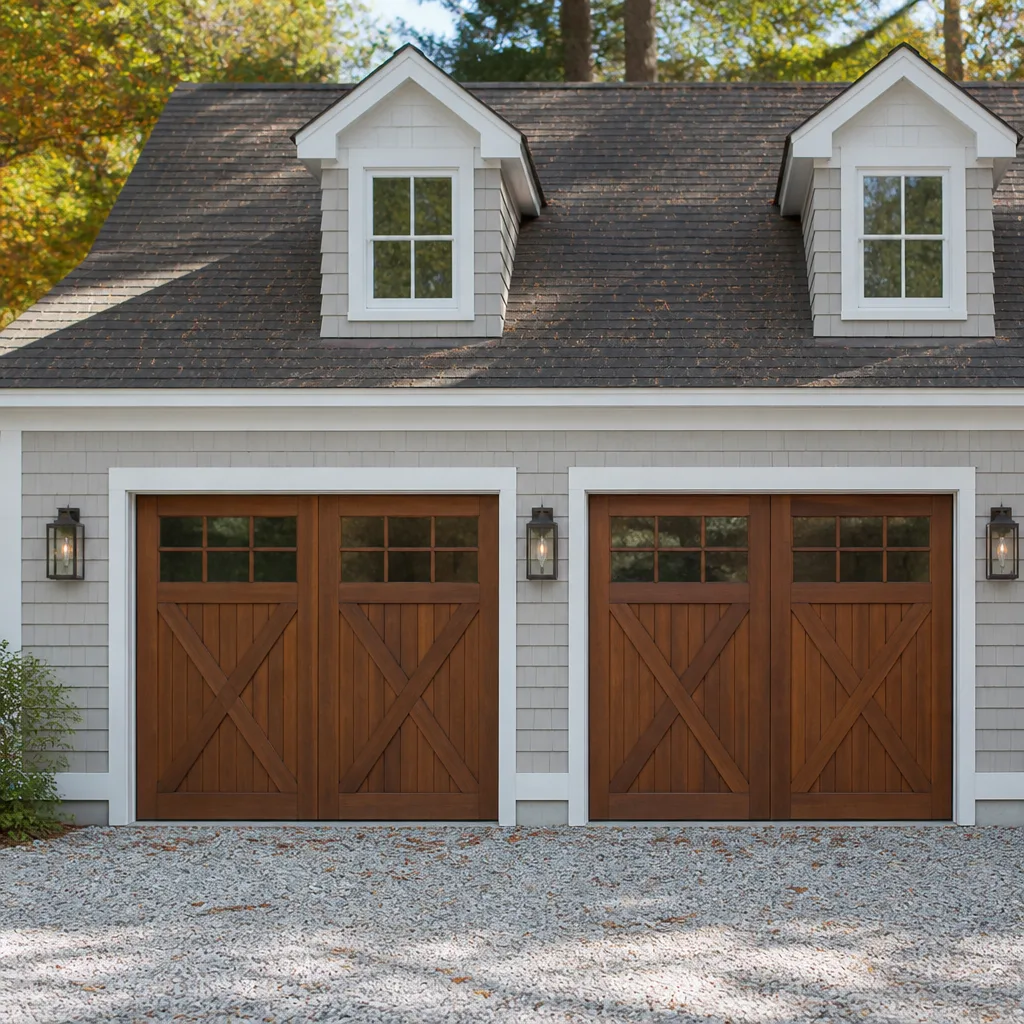 Carriage house
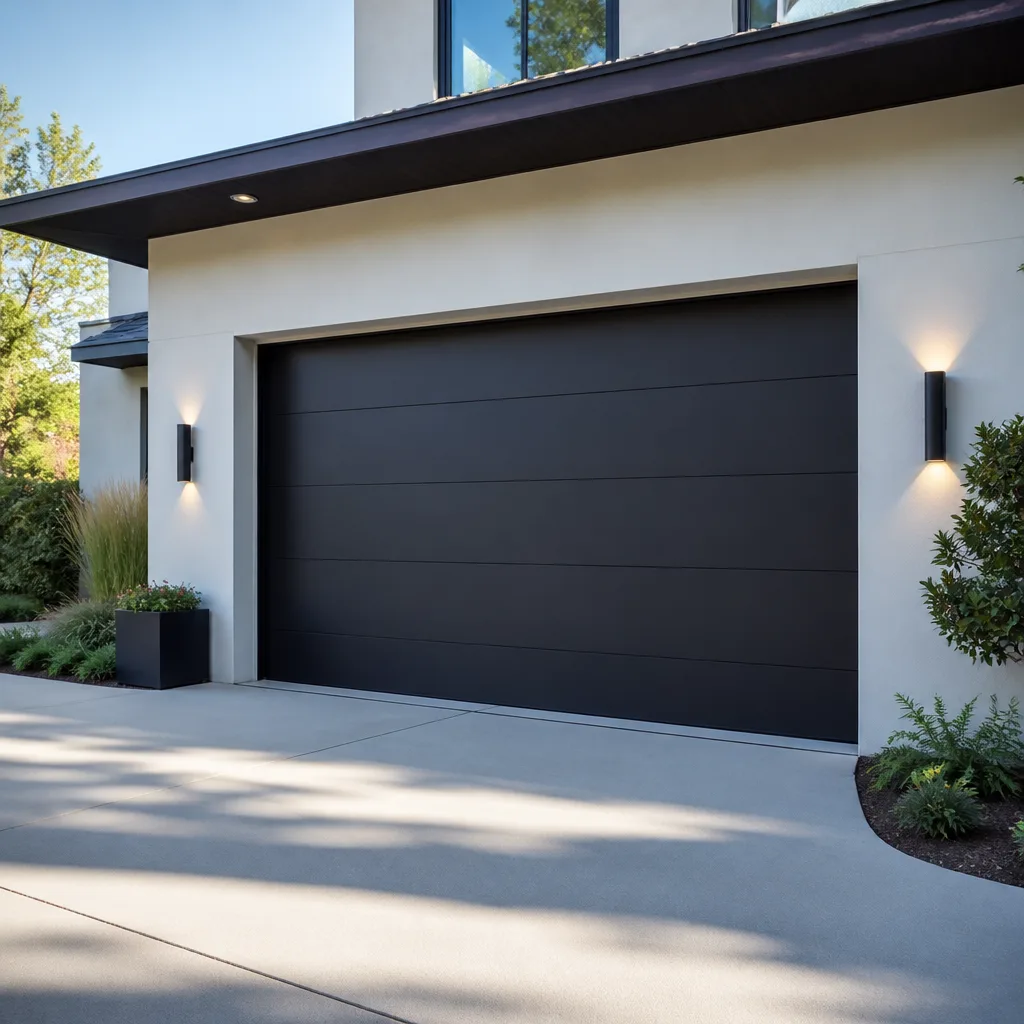 Modern flush
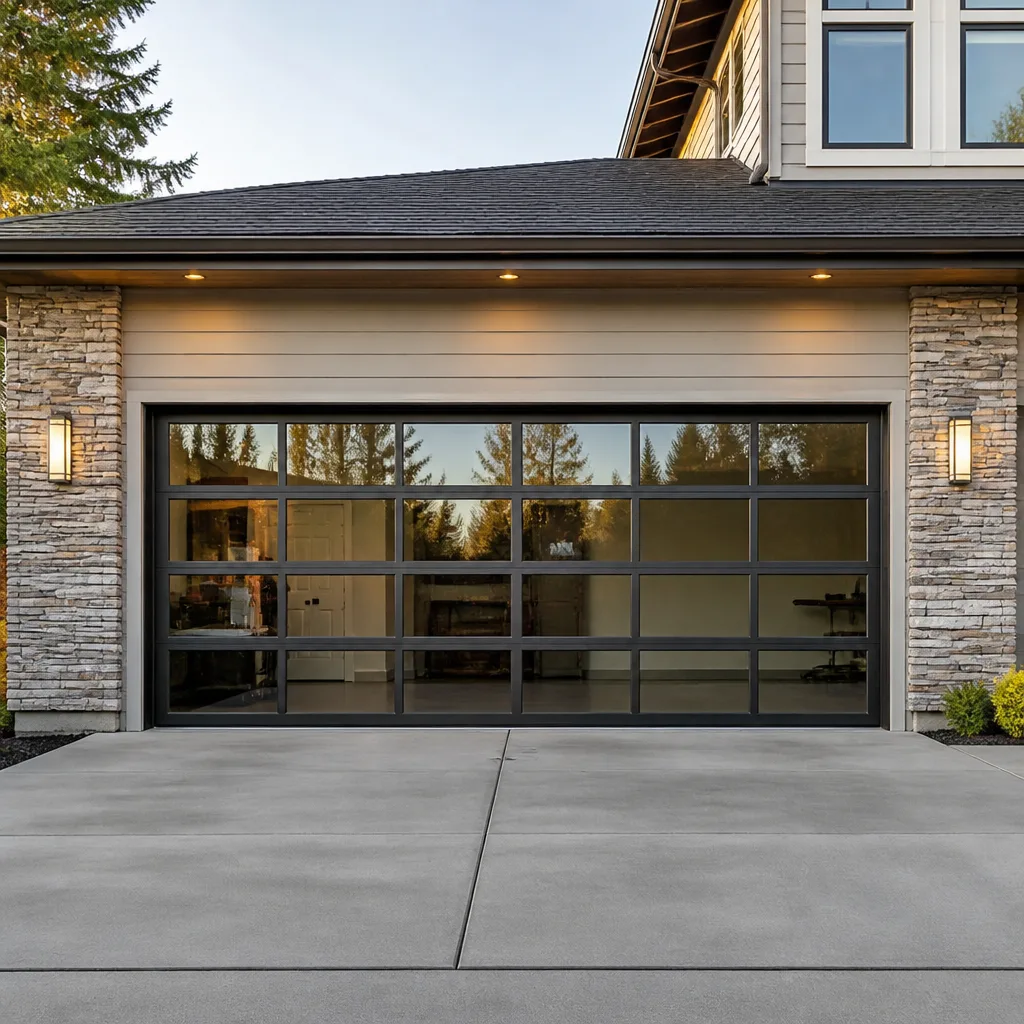 Full-view glass
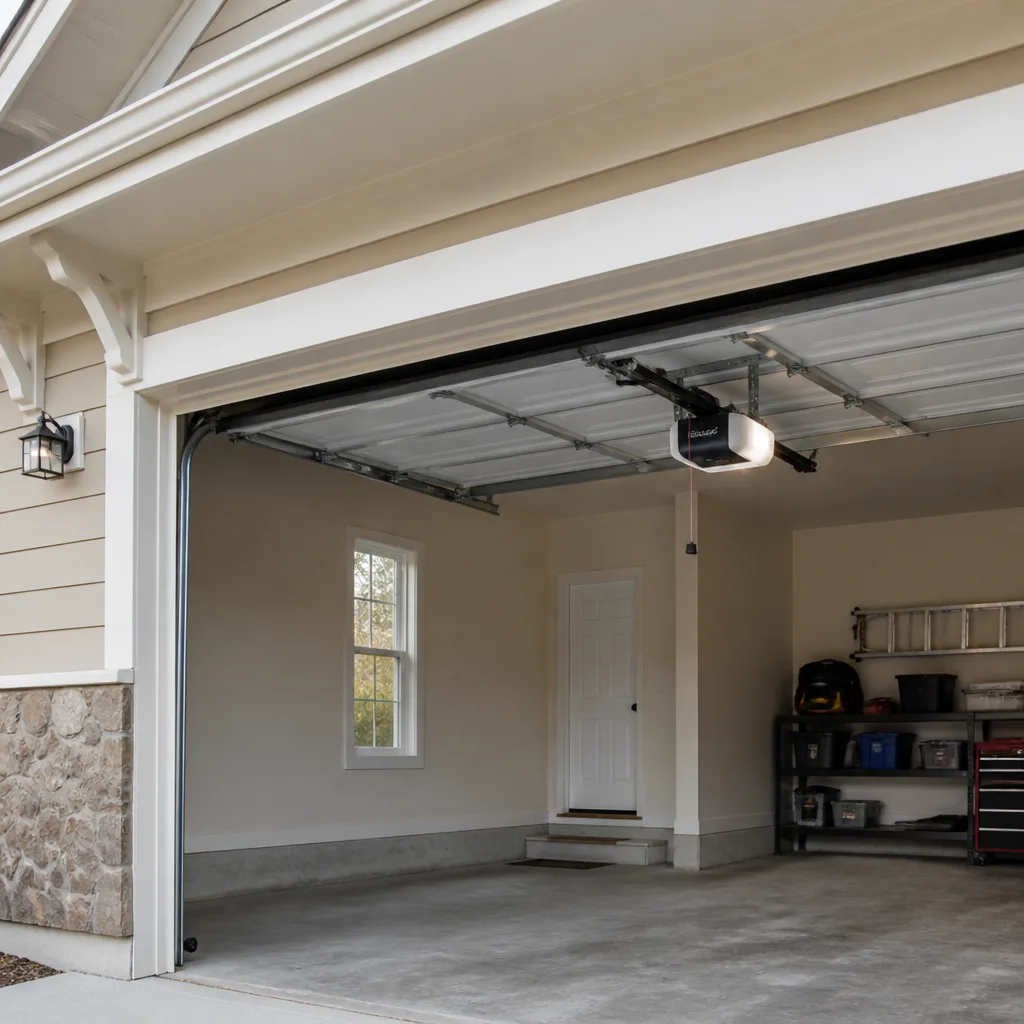 LiftMaster openers
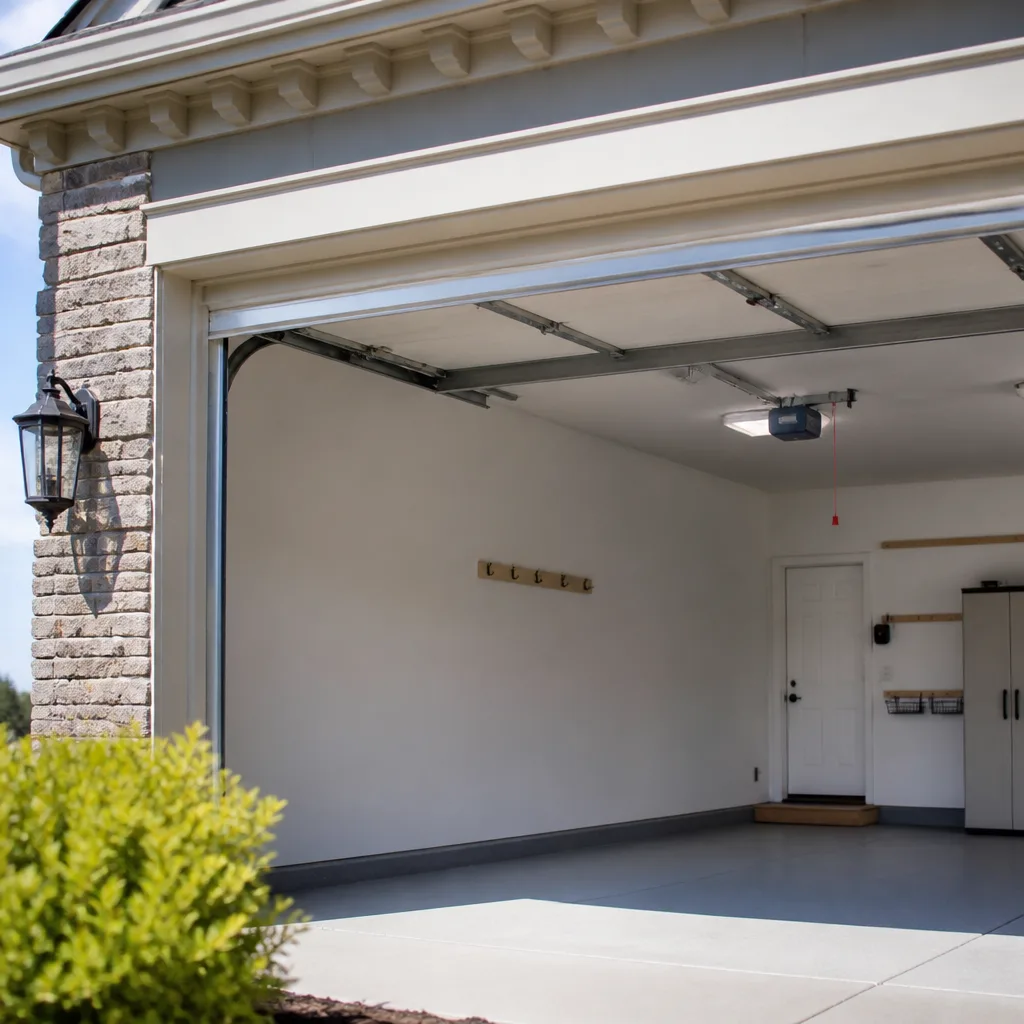 Chamberlain openers
Full 25-point door and opener safety check with every visit - springs, cables, rollers, tracks, and your LiftMaster or Chamberlain opener included
You get a price before we start. It does not change when the pro arrives.
Get your free estimateGarage Door Repair Maintenance Checklist for Bushwick Homeowners
The number-one reason a garage door fails suddenly usually isn’t age. It’s skipped lubrication on hardware that has spent two winters fighting road salt and humidity. The parts wear quietly for months, then one morning the door comes down hard or won’t move at all. A 15-minute check twice a year catches that pattern long before it strands your car. Bushwick sits close enough to the industrial blocks and the salt truck routes that the grit and grime settle on tracks and rollers faster than most homeowners expect. This guide gives you the full sequence: what to check, in what order, what “bad” actually looks like, and the exact point where you should stop and call a tech.
Quick Answer
A garage door maintenance checklist for Bushwick homeowners should run in a fixed order: bottom seal, rollers, springs, cables, then opener force and safety settings. Inspect and lubricate twice a year here rather than once, because road salt migration, summer humidity and freeze-thaw cycles accelerate wear on Bushwick doors. Check springs and cables by eye only; never adjust spring tension yourself.
Styles & brands we work with
- Raised-panel steel
- Carriage house
- Modern flush
- Full-view glass
- LiftMaster openers
- Chamberlain openers
Table of Contents
- Why Bushwick Needs a Faster Maintenance Schedule
- The Inspection Order: What to Check First
- How to Lubricate Without Attracting Grit
- Testing Auto-Reverse and Photo-Eye Alignment
- When a Task Becomes Professional-Only
- Resetting Your Schedule for the Seasons
- Why Brand Matters for Bushwick Doors
- Common Mistakes to Avoid
Why Bushwick Needs a Faster Maintenance Schedule
Most national garage door checklists assume a mild, stable climate and a car that stays clean. Bushwick offers neither. Winter road salt creeps onto the concrete slab and gets worked into your bottom seal and rollers as the door cycles. Summer humidity swells wood panels and loosens the tolerances in an older opener. Then fall and spring freeze-thaw cycles flex the whole assembly back and forth.
That combination shortens the useful interval between tune-ups. A door in a dry suburb might hold up on one annual service. A door in Bushwick that opens and closes several times a day really wants a light inspection every six months. If your garage sits near a busy commercial corridor, or your car regularly parks with road grime on it, lean toward the shorter interval.
What you’re doing at each check is diagnostic, not cosmetic. You’re not just spraying lubricant to make the door quieter. You’re watching for the order of failures this environment produces: a stiff seal, then a flat-spotted roller, then uneven spring load, then a fraying cable. Catching each stage at its own check is what keeps a slow wear item from turning into an emergency call. It’s also why we treat Garage Door Repair Bushwick as a diagnostic-first service: the same sequence tells us what’s about to fail, not just what already has.
The Inspection Order: What to Check First
The sequence matters because each part tells you whether to keep looking. Work from the ground up and from the simple parts to the dangerous ones. Here’s the order we use, and what “bad” actually looks like at each step.
Step 1: Bottom Seal
- Close the door and look for daylight between the seal and the floor. A thin even line is normal; a visible gap at one end means the seal has compressed or torn.
- Run a finger along the rubber. It should feel supple. If it’s stiff, cracked, or crumbly, it’s past its life.
- Check for grit trapped under the seal. Road salt and street dirt collect there and grind the rubber thin.
What “bad” looks like: cracks longer than an inch, a seal peeling away from the bottom edge, or water getting in after rain. A failing seal lets cold air and moisture into the garage, which feeds rust on the hardware above it.
Step 2: Rollers
- Open the door and inspect each roller. A healthy roller spins freely by hand.
- Look for flat spots, chips, or a wobble. A roller with a flat spot will thump every time the door moves.
- Check that the roller stems sit straight in their brackets.
What “bad” looks like: a seized roller that scuffs the track, or a cracked nylon roller with a visible split. Steel rollers wear into an oval shape in grit-heavy environments, which is exactly what Bushwick’s street dust creates.
Step 3: Springs (Visual Only)
Look at the springs and note their condition. Do not touch the tension. A torsion spring runs across the top of the door; an extension spring runs along each side track.
What “bad” looks like: a visible gap in the coil, a spring that looks stretched compared with its neighbor, or a sagging door that lifts a few inches and stops. Any of those means call a technician. We handle spring repair as a dedicated service for exactly this reason; it’s the most dangerous part of the door and the one most often mishandled by people who treat it as a simple swap.
Step 4: Cables
Inspect the cables that run alongside the springs and along the tracks. They should sit taut and even. What “bad” looks like: frayed strands, a kink, slack on one side, or rust spotting along the length. A cable with a single broken strand is already weakening. Don’t pull on it to test it.
Step 5: Opener Force and Safety Settings
This is the last step because a door with bad rollers or a failing spring will throw off the force readings. Once the hardware checks out, test the opener’s limits and safety reverse. We cover that fully in the testing section below.
How to Lubricate Without Attracting Grit
The wrong lubricant is worse than none. Thick grease or sticky spray collects street grit, and grit turns into a grinding paste that wears metal fast. In a Bushwick garage, where fine dust from the industrial blocks and road salt both find their way in, a dry or thin film holds up far better than a heavy coat.
Here are the products that work and the ones that gum up:
- Use: a white lithium grease spray for hinges and the spring coils, applied thin and wiped so no excess sits on the surface.
- Use: a silicone spray or a light garage door lubricant for the tracks and rollers, which stays slick without trapping grit.
- Use: a dry PTFE spray in cold months, because it keeps working below freezing.
- Avoid: heavy wheel-bearing grease or dirty motor oil. Both go tacky in winter and grab every bit of sand and salt on the slab.
- Avoid: spraying the whole door face. Lubricant on painted panels attracts dust and does nothing for the mechanism.
Lubricate these points specifically: the hinges at each joint, the roller stems and bearings, the travel of the torsion spring coils (a light wipe, not a soak), and the lock and handle mechanism if you have a manual lock. Skip the plastic idler wheels on some modern openers; they’re meant to run dry. If your opener is a smart unit from LiftMaster, Chamberlain or Genie, a light film on the moving parts is all it needs, and over-lubricating the drive assembly can actually trip the force sensor.
Two rules keep lubrication honest. Apply it only after you’ve cleaned the parts, since lubricating over grit just seals the abrasive in. And clean the tracks with a dry cloth rather than a wet one, so no moisture sits in the channel where it can rust during a freeze.
Testing Auto-Reverse and Photo-Eye Alignment
These two safety features are what keep a garage door from closing on a person, a pet, or a bike. You can test both without special tools, and both should be checked at every inspection.
The photo-eye test. The photo eyes are the small units mounted on each side of the door opening, a few inches off the ground. One sends an invisible beam and the other receives it. To check alignment, close the door and look at the indicator light on the receiving eye. Most models show a steady light when the beam is clear and a flickering or off light when it’s blocked or misaligned. If the light misbehaves, wipe both lenses with a dry cloth first; grit is often the only problem. Then check that the brackets face each other squarely. A bump from a bicycle or a garbage can is enough to shift one out of line, and that’s common in a tight Bushwick garage where floor space is scarce.
The auto-reverse test. Place a roll of paper towels or a 2×4 flat on the floor in the door’s path. Close the door with the wall button or remote. The door should reverse as soon as it meets the object. If it stops but doesn’t reverse, or keeps pressing down, the opener’s force setting is too high and needs a technician.
- Clear the doorway of people and pets.
- Lay the test object flat in the center of the opening.
- Close the door and watch the reaction.
- Repeat with an object near each side of the door.
- If the door fails to reverse, stop using it and call us. The force setting is a safety issue, not a preference.
We work on the LiftMaster, Chamberlain and Genie openers that dominate Bushwick garages, so we can read the force-limits and adjust them correctly instead of guessing.
When a Task Becomes Professional-Only
A maintenance checklist is valuable precisely because you know where the line is. Some tasks are homeowner checks; some are technician work. Crossing that line isn’t a matter of confidence, it’s a matter of stored energy. Garage door springs and cables hold the entire weight of the door under high tension. They can cause serious injury if they let go during a DIY adjustment, and a door that’s been tampered with can fail later without warning.
Here’s the clear dividing line:
- Homeowner territory: cleaning tracks, lubricating hinges and rollers, checking the bottom seal, wiping photo-eye lenses, testing auto-reverse with an object in the path.
- Professional-only: adjusting spring tension, replacing a torsion or extension spring, replacing a frayed or kinked cable, resetting the opener’s force limits, replacing a roller that won’t come free of a bent bracket, and repairing bent track sections.
Springs deserve a specific warning. Don’t try to adjust a torsion spring with a winding bar or any improvised tool, and don’t cut a spring or cable to “release” it. A trained technician knows how to de-tension the system safely before any part is removed. Cables are the same story: a cable under load can snap back, and a broken cable means the door can drop. If you see frayed strands, a slack cable, or a spring with a visible gap, close the door gently and don’t cycle it again until a technician has looked at it.
One more professional-only item that surprises people: the force setting. Homeowners often turn it up to stop a door from reversing. That defeats the safety feature.
Resetting Your Schedule for the Seasons
The standard advice is a tune-up once a year. In Bushwick, the seasons reset that clock faster. Here’s when to schedule each check and what to prioritize.
- After the salt season ends (late winter): the priority is cleaning. Road salt has worked into the bottom seal, rollers and tracks. Wash the hardware, clear grit from the tracks with a dry cloth, and re-lubricate everything. Look at the bottom seal for cracks and the hardware for rust spotting.
- Before the first hard freeze (late fall): the priority is lubrication with a cold-weather product. Switch to a dry PTFE spray, check for stiff seals, and test the opener’s force settings while the weather is still mild. A door that’s tight in cold weather may need a technician’s adjustment.
- Mid-summer: humidity swells wood panels and loosens hardware. Walk the door and check for wobble, check every hinge for loose bolts, and look for rust on any steel parts after a wet stretch.
- After any freeze-thaw stretch: check the tracks for misalignment. Freeze-thaw cycles shift the concrete and can nudge a track out of plumb, which makes the door rub.
If your car tracks salt onto the slab every day in winter, or your garage floods in a heavy rain, move to a check every three or four months rather than twice a year. The door will tell you which it needs by how much grit you find in the tracks.
Why Brand Matters for Bushwick Doors
A maintenance checklist only works if you know what you’re looking at. The opener in your garage could be a legacy belt-drive from one brand or a modern smart unit from another, and the force adjustments, photo-eye locations, and lubrication points differ. That’s why we work on the brand already in your garage. We’re certified to service eight of the most widely installed garage door and opener brands in North America, including Raynor, LiftMaster, Chamberlain and Genie, so we aren’t guessing which adjustment applies to your hardware.
This is also why a generic tune-up can miss the real issue. A technician who services your specific brand knows which parts wear first and which adjustments are safe. Full-scope capability matters too: if your opener is on its last legs, or your door is old enough that the repair cost no longer makes sense, we can move from garage door repair to garage door opener repair and, when needed, garage door installation without handing the job to a second contractor. One call covers the whole lifecycle of the door.
Common Mistakes to Avoid
- Greasing the tracks. Tracks are meant to run dry. Lubricant on the rail collects grit and turns into a paste that grinds the rollers. Clean them with a dry cloth instead.
- Turning up the opener force to stop the door reversing. This disables the safety reverse and is one of the most dangerous shortcuts you can take. If the door wobbles or reverses on its own, call us.
- Adjusting spring tension yourself. Springs hold the full weight of the door under tension. Even a careful homeowner with the right tools is working with stored energy that can cause serious injury. Leave this to a trained technician.
- Ignoring a small bottom-seal gap. Bushwick’s road salt and street grit get worked into the seal every time the door cycles. A small gap becomes a crack, then a leak that feeds rust on the hardware above.
- Using wheel-bearing grease or motor oil. Both go tacky and attract dust. A light silicone or white lithium product does the job without trapping grit.
- Choosing a handyman for a spring or cable job. Springs and cables are professional-only work and should be handled by a specialist, not a general repair person. The stakes are too high for a guess.
- Testing a cable by pulling on it. A cable with a broken strand can snap. If you see fraying, don’t tug it. Call a technician.
When to Call a Professional
Call a professional when the problem crosses from the lubricant-and-wipe list to anything involving tension or load. That means a spring with a visible gap, a slack or fraying cable, an opener whose force settings you’ve had to turn up, a bent track, or a door that’s become noticeably harder to lift. Also call if the photo-eye test fails, if the door reverses on its own, or if a roller won’t free from its bracket. These are the specific failure points where a DIY attempt can make things worse. Garage Door Repair Bushwick offers free estimates in Bushwick. Call (888) 839-3311 and we’ll tell you exactly what the door needs. Our technicians have up to 15 years of experience, and the written estimate sets the price before any work starts.
See the difference
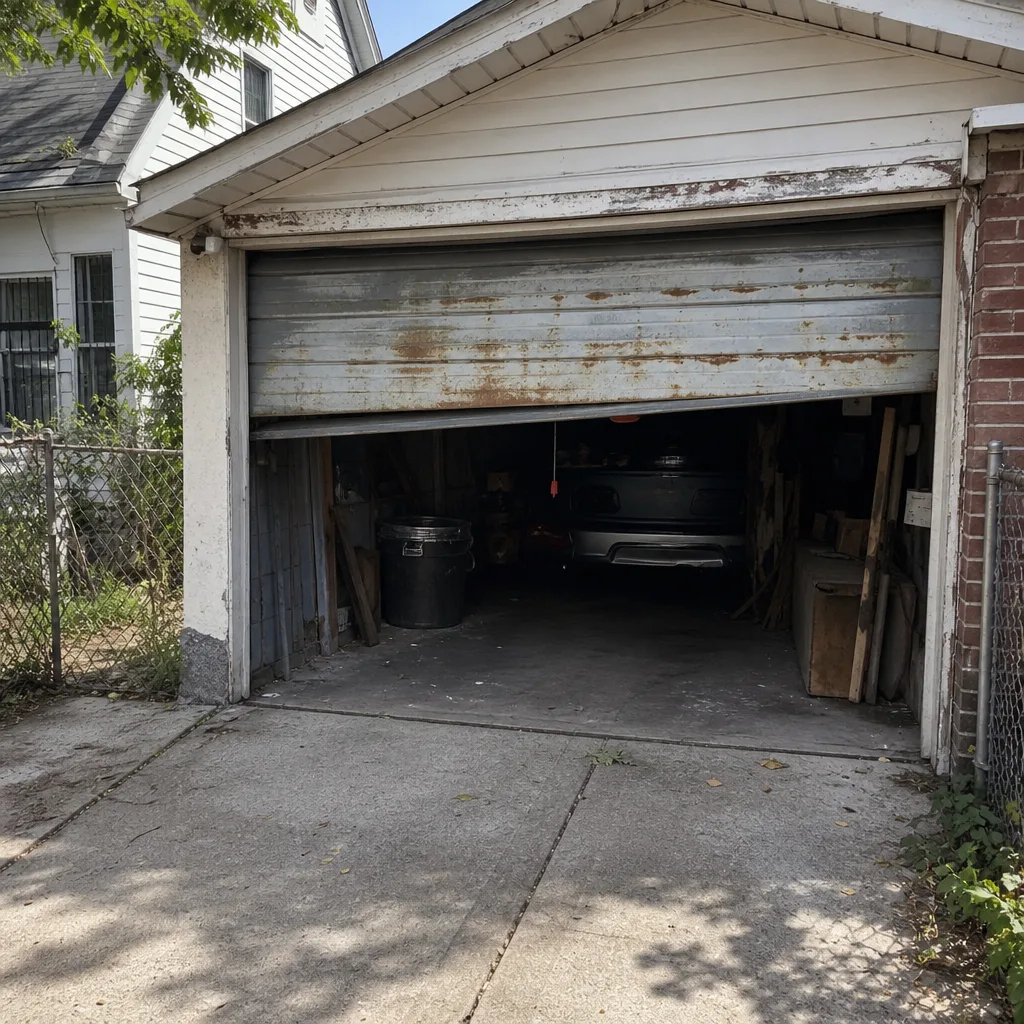 Before
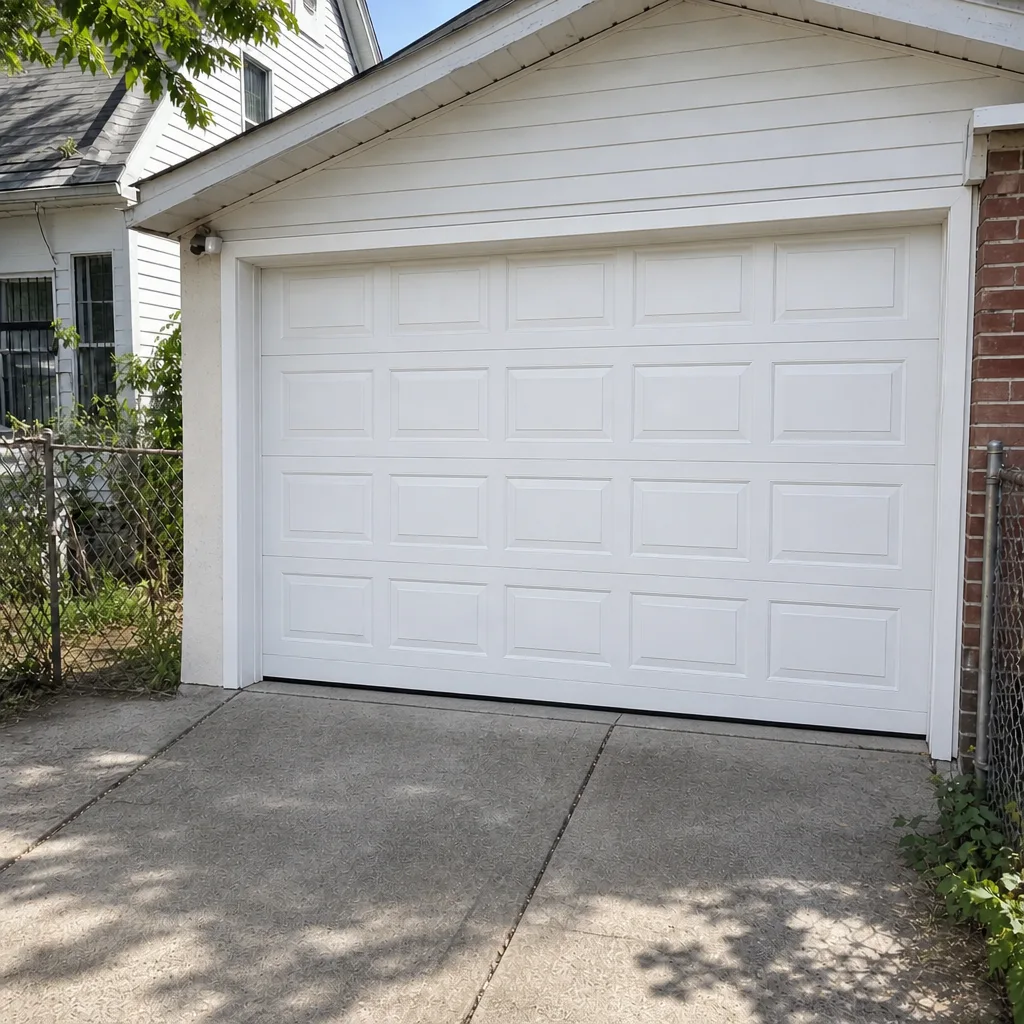 After
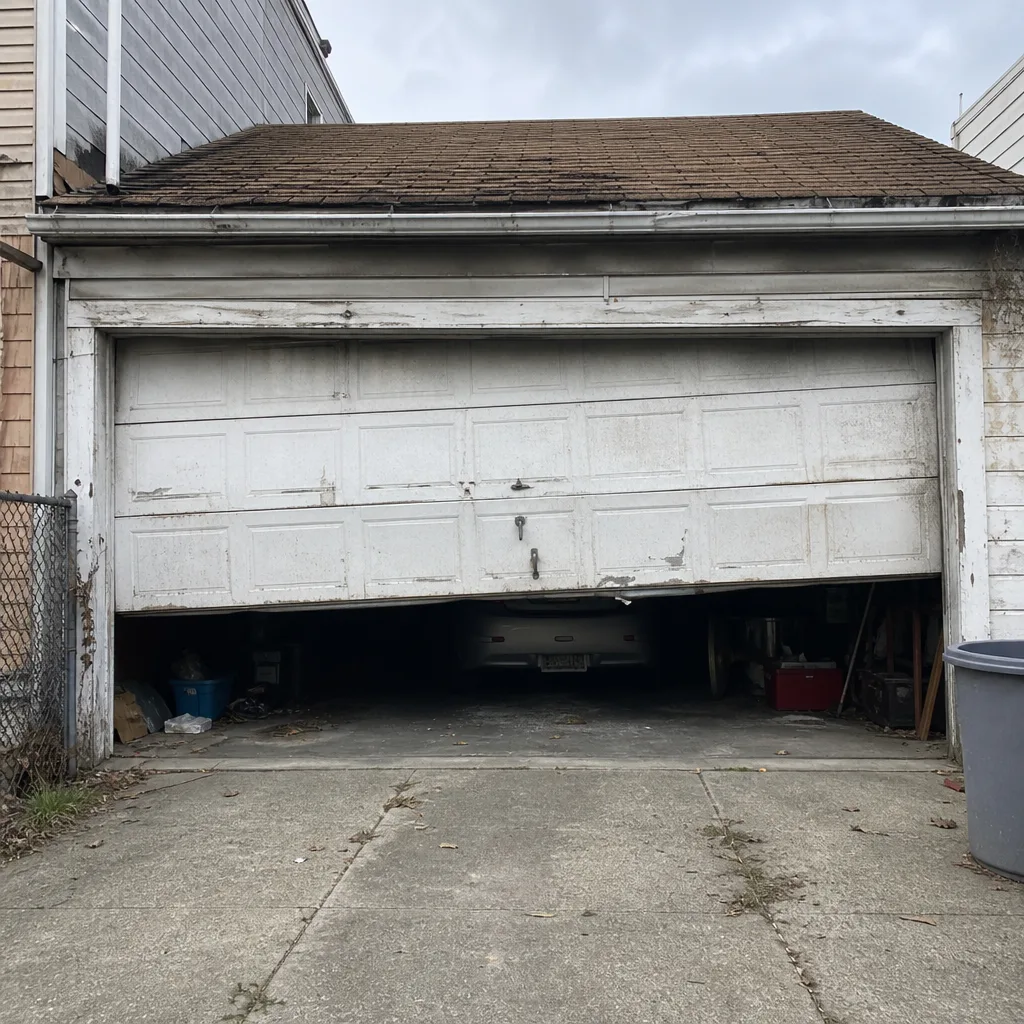 Before
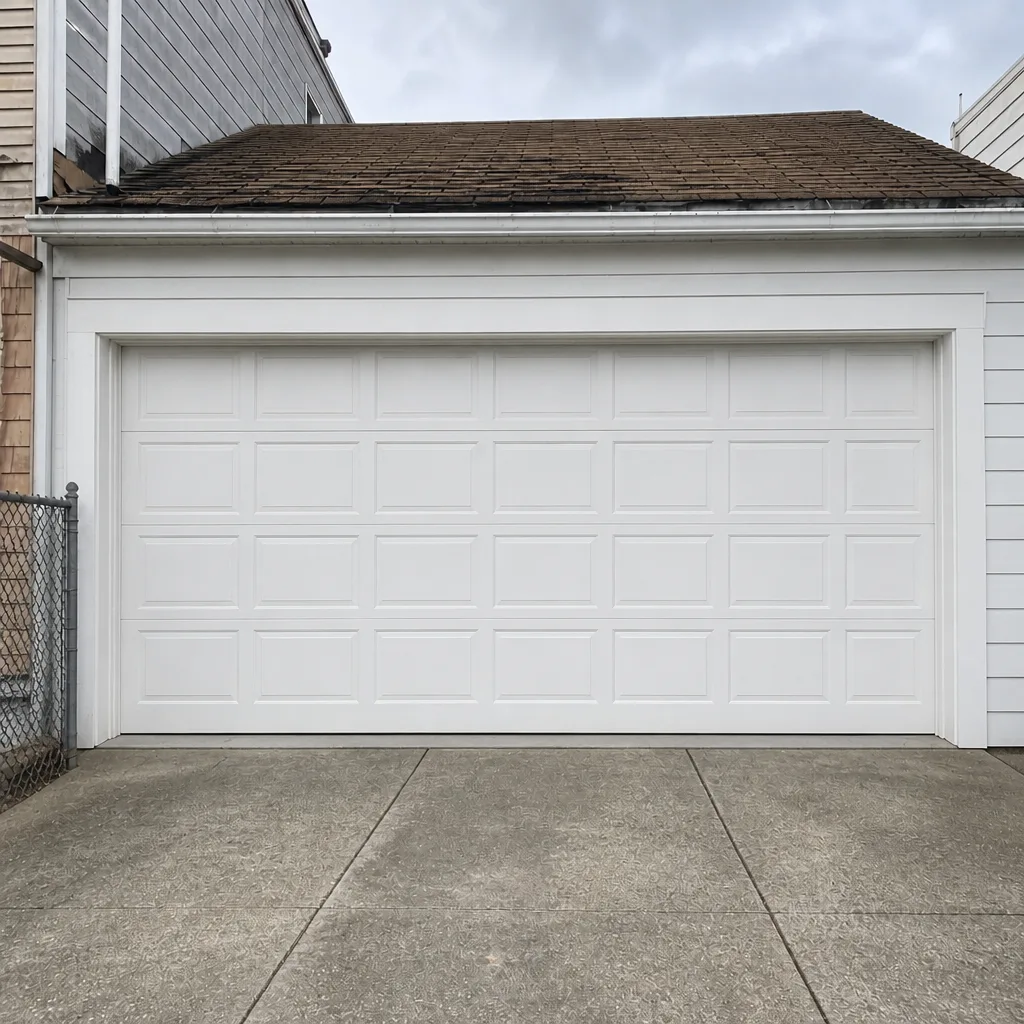 After
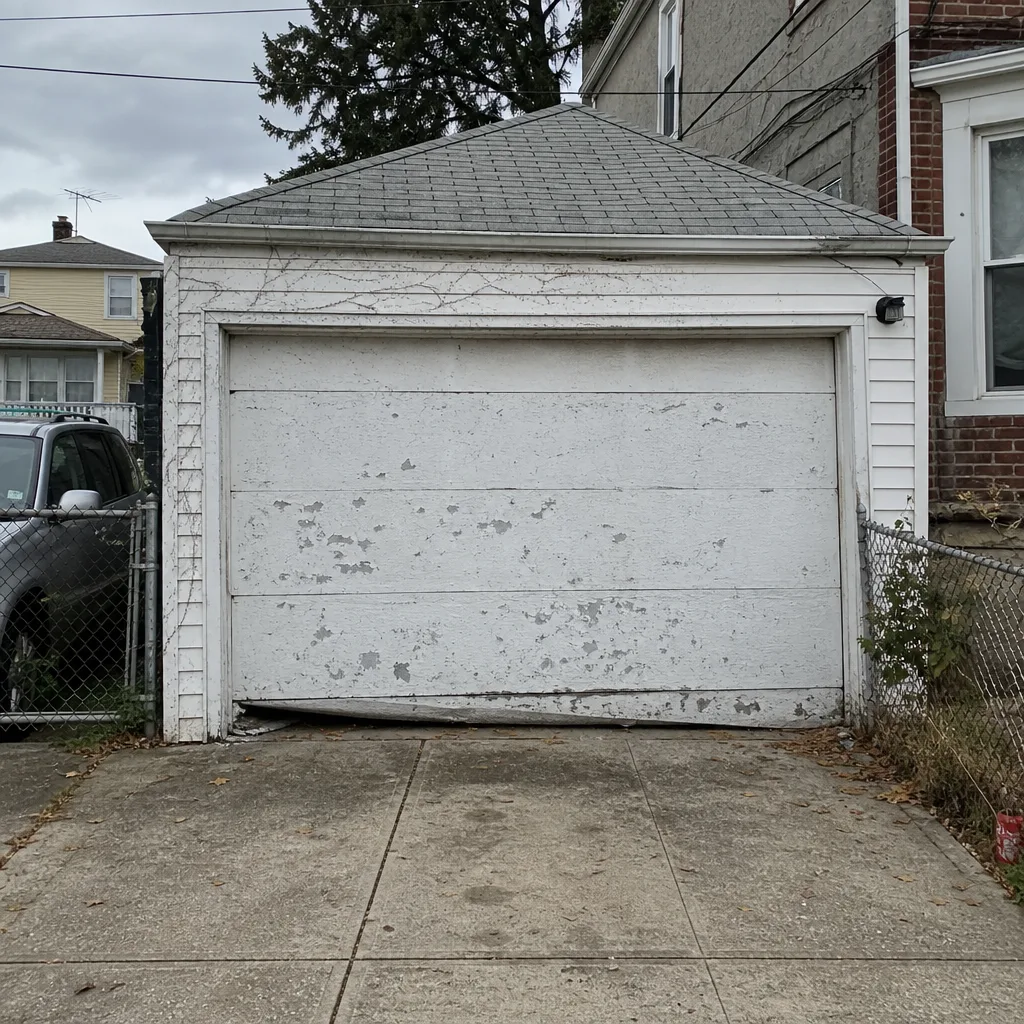 Before
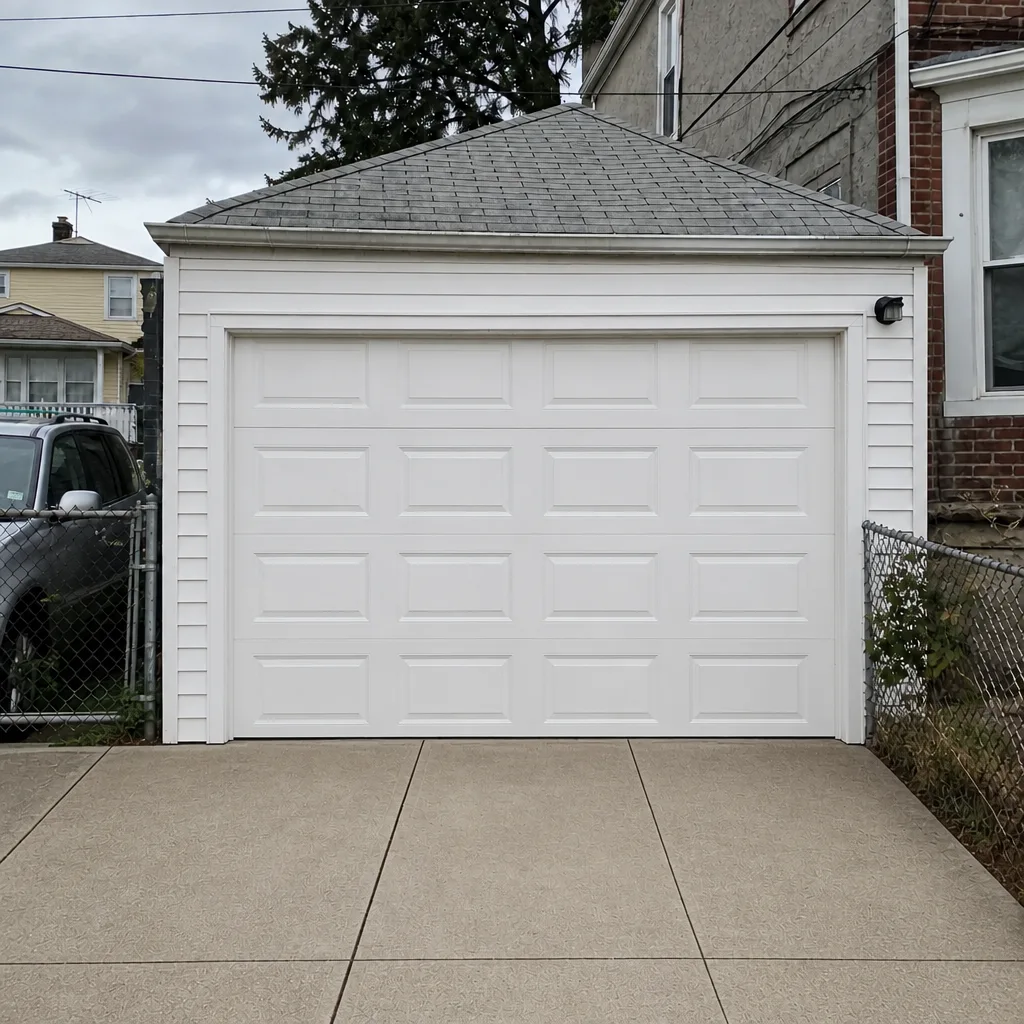 After
Frequently Asked Questions
Twice a year is a practical minimum for most Bushwick garages, and every three to four months if your car tracks road salt onto the slab or the garage takes on water in heavy rain. Road salt migration, summer humidity and freeze-thaw cycles all shorten the interval compared with a dry climate. If you find heavy grit in the tracks at each check, shorten it further. Call (888) 839-3311 for a tune-up estimate if you’d rather leave the sequence to a technician.
No. Garage door springs hold the entire weight of the door under high tension, and adjusting or replacing them is professional-only work. A spring that lets go during an adjustment can cause serious injury. If the door feels heavy, lifts only a few inches and stops, or shows a visible gap in the coil, stop using it and call a technician. We handle spring repair as a dedicated service for this reason.
A failing cable shows frayed strands, a kink, or slack on one side, and may have rust spotting along its length. A single broken strand is a warning sign even if the door still moves. Don’t pull on the cable to test it. Close the door gently, don’t cycle it again, and call (888) 839-3311 for an estimate.
Cold weather stiffens the bottom seal and thickens grease that’s gone tacky, which is why the right lubricant matters. A dry PTFE or light silicone product keeps working below freezing. If the door still struggles in cold weather, the opener’s force limits may need adjustment, and only a technician should make that change. Call us for an estimate.
Lay a roll of paper towels or a 2×4 flat on the floor in the door’s path, then close the door with the wall button. The door should reverse as soon as it meets the object. If it stops but doesn’t reverse, or keeps pressing down, the force setting is too high and needs a technician. Repeat the test near each side of the door for a complete check.
We’re certified to service eight of the most widely installed garage door and opener brands in North America, including LiftMaster, Chamberlain, Genie and Raynor. That means we diagnose the actual equipment in your garage rather than applying a generic adjustment. Call (888) 839-3311 and we’ll confirm what your opener needs.
The Bottom Line
Sudden garage door failures usually trace back to skipped lubrication and unchecked hardware, not age. Run the checklist in order from bottom seal to opener safety settings, lubricate with a light product that won’t trap grit, and test auto-reverse at every check. Bushwick’s road salt, humidity and freeze-thaw cycles shorten the interval, so plan on twice a year or more. Stay away from spring tension and cable work, and call a technician at the first sign of fraying, sagging or a failed safety test. Our technicians have up to 15 years of experience, and we work on the brand already in your garage.
Contact
If your check turns up a problem with the springs, cables, rollers or opener settings, we’re ready to help. Call (888) 839-3311 for a free estimate. We’re open Sunday through Friday, 7am to 7pm, and closed Saturday. Emergency garage door service is a core offering, so if the door fails outside those hours and won’t wait, call and we’ll book the next available slot. Call (888) 839-3311 today and we’ll tell you exactly what the door needs.
Written by the team at Garage Door Repair Bushwick.