Last updated November 21, 2026
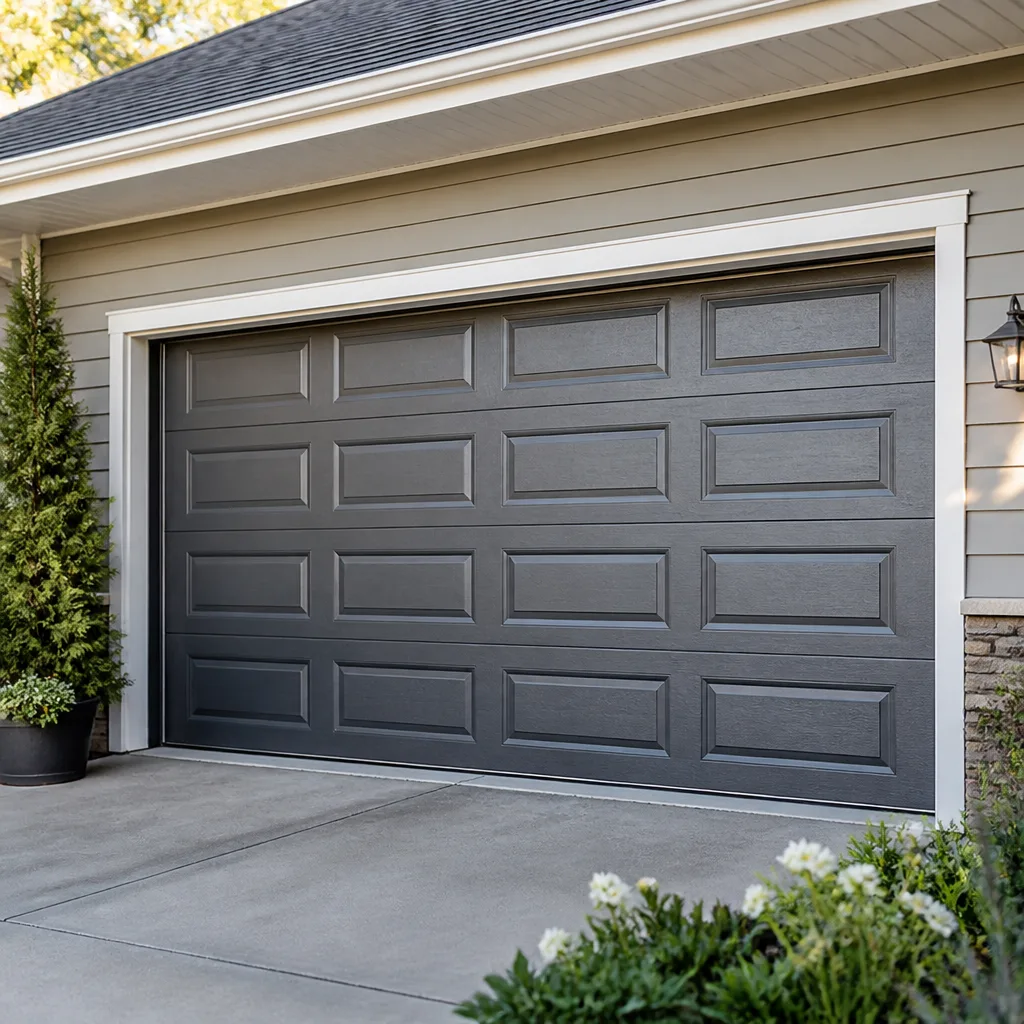 Raised-panel steel
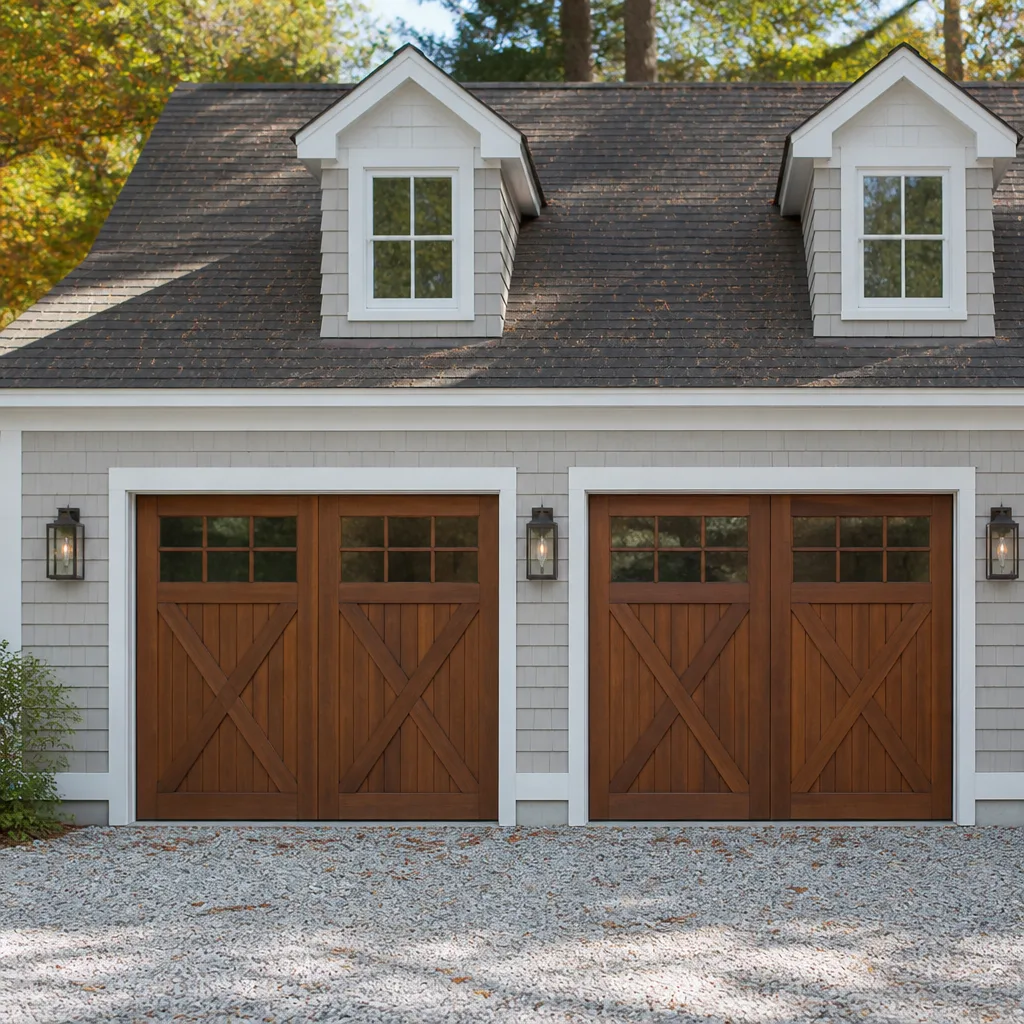 Carriage house
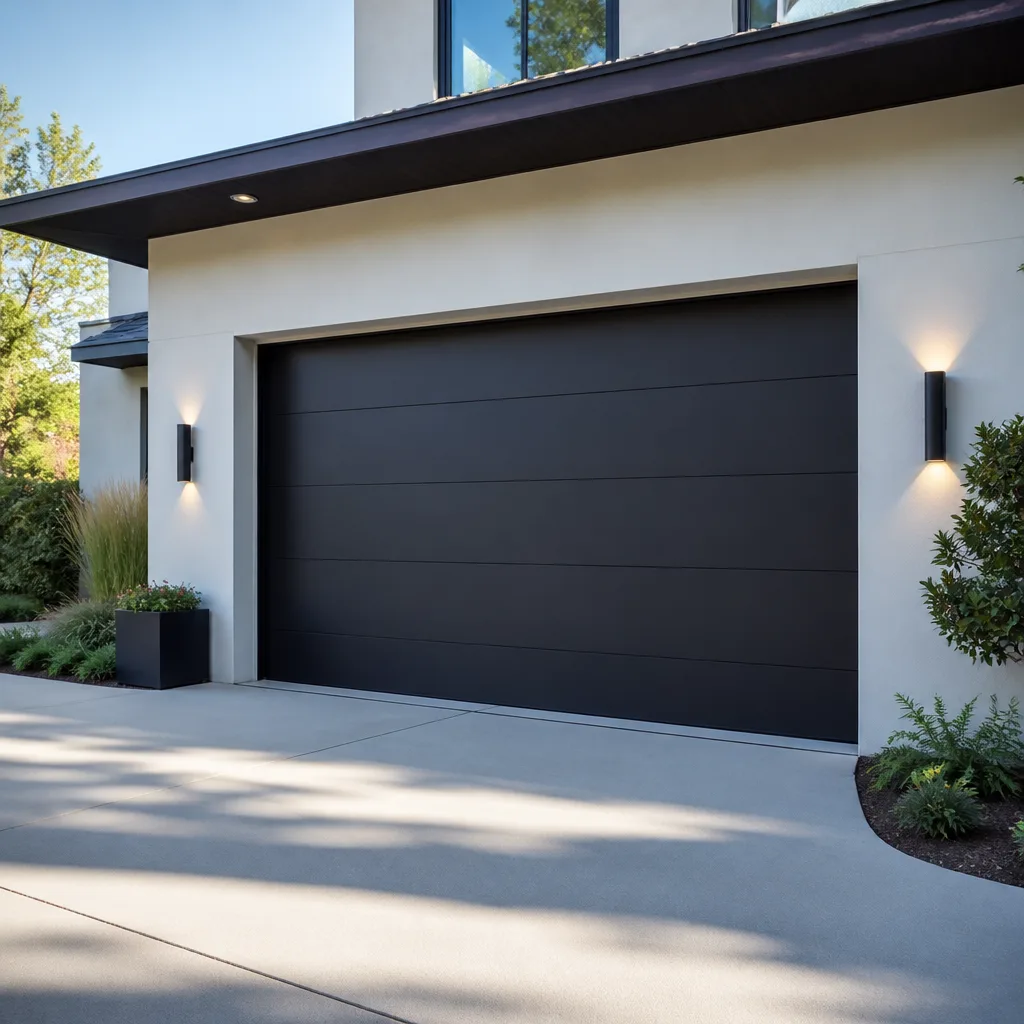 Modern flush
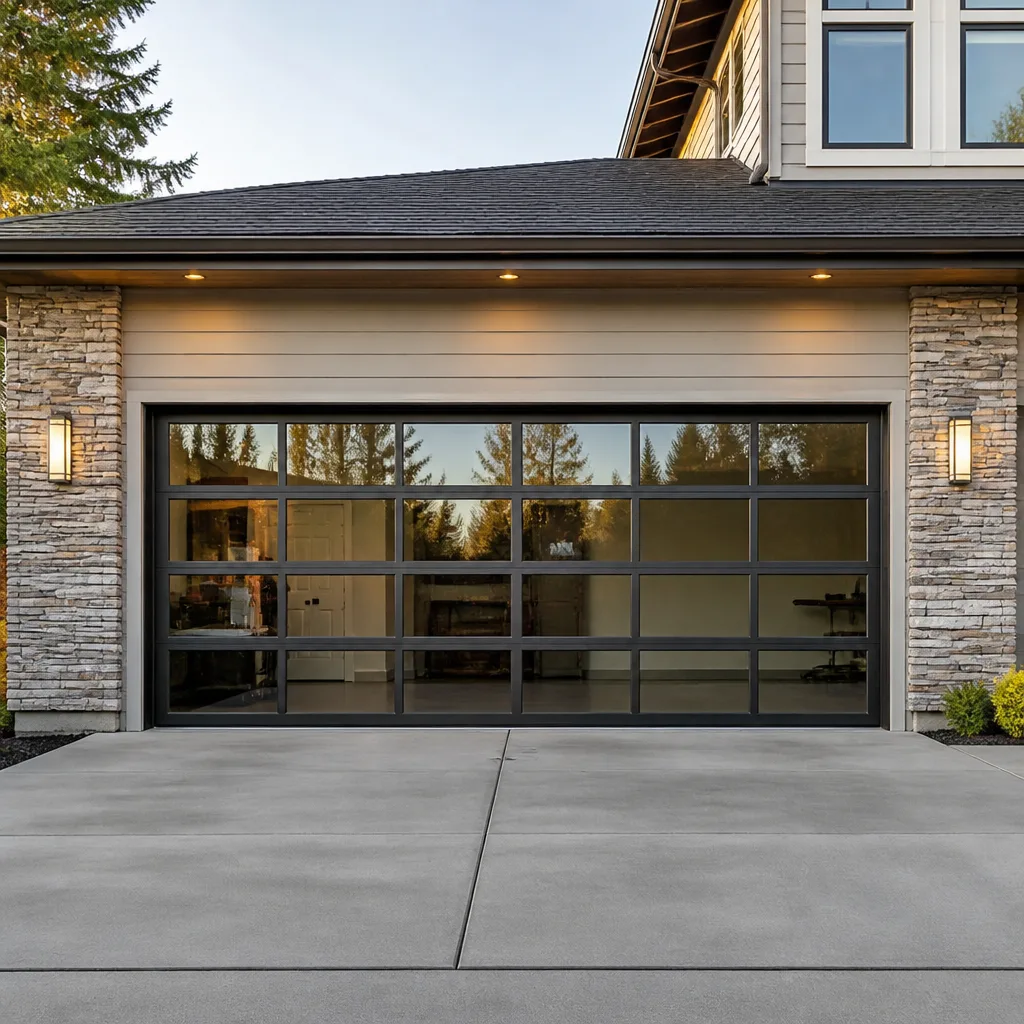 Full-view glass
 LiftMaster openers
 Chamberlain openers
Full 25-point door and opener safety check with every visit - springs, cables, rollers, tracks, and your LiftMaster or Chamberlain opener included
You get a price before we start. It does not change when the pro arrives.
Get your free estimateSeasonal Garage Door Care for Bushwick: Year-Round Homeowner’s Guide
February is when garage doors around Bushwick fail most often, and February is the worst possible month to do anything about it. When a torsion spring snaps or a track freezes, you’re standing in a cold garage, waiting on a repair you can’t do yourself, on a day when everybody else’s door broke too. The work that prevents that February morning happens in October. This guide isn’t four equal seasons of chores. It’s built around the two hard transitions that break most hardware here – fall into winter, and winter into spring – plus the two calmer windows, summer and fall, where you actually get ahead. We’ll show you a twenty-minute routine you can run yourself, the tasks worth handing to a technician, and what to check in a Brooklyn building stock that wasn’t designed with cold snaps in mind.
Quick Answer
The most useful seasonal garage door care in Bushwick is front-loaded: most failures happen during the fall-to-winter and winter-to-spring transitions, so the inspections and lubrication that prevent them belong in October and November, not January. Summer and fall are the windows for UV and humidity checks, and any adjustment to springs, cables, or torsion hardware should go to a trained technician. A twenty-minute routine a few times a year, plus one professional tune-up, covers nearly everything a Bushwick homeowner can safely do.
Styles & brands we work with
- Raised-panel steel
- Carriage house
- Modern flush
- Full-view glass
- LiftMaster openers
- Chamberlain openers
Table of Contents
- Why Bushwick’s Garage Door Calendar Isn’t Four Seasons
- Fall Prep: The Tasks That Prevent Winter Failures
- How Freeze-Thaw Cycles Fatigue Torsion Springs in Brooklyn
- Winter Care: What to Do When the Cold Actually Arrives
- Spring Recovery: The Post-Winter Checklist
- Summer Focus: UV, Humidity, and a Hot Garage
- Building a 20-Minute Seasonal Routine
- Common Mistakes to Avoid
- When to Call a Professional
- Frequently Asked Questions
Why Bushwick’s Garage Door Calendar Isn’t Four Seasons
Most seasonal maintenance advice treats the year as four equal quarters. That doesn’t match how garage doors actually fail in Bushwick. The two periods that do the most damage are the shift from mild to freezing, roughly late October into December, and the thaw from late February into April. Everything else – summer heat, early fall – is a chance to get ahead before the real stress hits.
The reason is mechanical. A torsion spring stores enormous energy, and it does it by twisting metal back and forth every time the door opens and closes. That cycling is what fatigues the spring over time, not one big event. Now add temperature: metal contracts as it cools and expands as it warms, and in Brooklyn that happens repeatedly across a winter, not once. A freeze-thaw winter means the spring, the cables, and the track all move through dozens of contraction-expansion cycles between December and March. The cumulative wear from that is what snaps hardware, and it’s why the careful months to prepare are the ones right before the cold sets in.
Bushwick’s housing stock adds its own wrinkle. Many of the neighborhood’s two- and three-family rowhouses and converted carriage houses have garages that face narrow shared driveways or sit half-underground, tucked against a neighboring wall. Those spaces trap moisture and hold cold differently than a freestanding suburban garage. A garage that never gets direct sun all winter stays colder longer, keeps frost on the bottom seal, and never fully dries out – which is exactly the environment where seals crack and steel hardware starts to look rough. If your garage is one of those tight, shaded, street-facing spaces off a block like Troutman or Jefferson, treat your fall prep as more important than a homeowner with a sunny, open driveway would.
This guide is organized around that reality. We work on the calendar Bushwick weather actually keeps, not the one printed on a generic checklist.
Fall Prep: The Tasks That Prevent Winter Failures
If you do only one seasonal pass all year, make it this one, and make it in October or early November. This is the window where a small adjustment or a fresh application of grease prevents the mid-winter failure you’d otherwise be dealing with in February. Here’s what actually reduces winter failure rates, in the order worth doing them.
- Inspect the bottom seal. The rubber seal along the bottom of the door is the part in direct contact with the cold, wet slab. Run your hand along it with the door down. Look for cracks, hard or brittle spots, and gaps where daylight shows through. A cracked seal lets in water that freezes and can bind the door to the floor. If it’s shot, replacing it is one of the least expensive fixes in garage door work and one of the highest-value for winter.
- Lubricate with low-temperature grease. The hinges, rollers, and torsion hardware need lubrication, but the wrong product gets thick and gummy as temperatures drop, which adds strain to the opener. Use a lubricant rated for cold weather, and apply it sparingly to hinges and roller bearings. Never lubricate the tracks themselves – they’re meant to stay clean and dry so the rollers roll instead of sliding.
- Check the weather-stripping around the frame. The strips where the door meets the jambs keep wind and snow out. If they’re peeling, cracked, or compressed flat, cold air gets behind the door and the opener works harder every cycle. Replacing worn weather-stripping is a straightforward task and pays off all winter.
- Test the door balance by hand. With the opener disconnected, lift the door halfway and let go. A properly balanced door stays roughly where you put it. One that slams down or drifts up on its own is telling you the springs are out of adjustment – and an unbalanced door strains the opener motor all winter. Don’t adjust the springs yourself; note it and call a technician.
- Listen to the opener. A new grind, a rattle, or a door that reverses for no reason before winter is a warning worth acting on now. We cover opener issues in more depth on our garage door opener repair page.
None of these take long. Done in October, they’re the difference between a season of reliable operation and a February scramble. That’s the whole point of fall prep in Bushwick – you’re working ahead of the cold, not reacting to it.
How Freeze-Thaw Cycles Fatigue Torsion Springs in Brooklyn
Springs fail in Brooklyn winters more than in a place with a single long deep freeze, and the reason is the thaw. A dry-cold climate holds steady, so metal stays contracted for months. A freeze-thaw climate like ours swings back and forth – cold nights, milder afternoons, freezing again – and every swing works the metal. Over a winter that’s dozens of extra cycles on top of the normal daily open-and-close, and fatigue accumulates quietly until a spring lets go.
The signs worth watching for as winter sets in:
- Rust bloom or surface pitting on the torsion bar or springs. Moisture from freeze-thaw condensation settles on cool metal, and even light surface rust on a high-tension component is worth a professional look.
- A door that feels heavy or slow at the start of a lift. This often signals a spring losing tension, which cold makes more pronounced.
- Uneven opening. If one side of the door rises before the other, the spring pair may be out of balance – and cold weather makes an out-of-balance door noticeably harder on the opener.
- Popping or twanging sounds while the door moves. Springs that are beginning to fail often make noise before they break.
Here’s the part we want to be direct about. Torsion springs, cables, and the hardware that connects them are under extreme tension, and a snap can cause serious injury to anyone working near them. This is the one component of a garage door system where we tell every homeowner the same thing: don’t attempt adjustment or replacement yourself. The guide is for knowing when to call, not for doing the job. When a spring does fail, a matched pair is usually replaced together because they’ve lived the same life and the second is likely close behind. Spring repair handled by a trained technician is exactly what our garage door repair service is built for.
Winter Care: What to Do When the Cold Actually Arrives
Once the freeze sets in, your job shifts from prevention to monitoring. You can’t undo a worn seal in January, but you can keep small problems from becoming failures and know when to stop and call.
Start with the seal and the threshold. Snowmelt at the door’s base freezes overnight, and a door frozen to the slab will strain the opener when you try to lift it. Before you run the opener on a frozen morning, give the door a look – if it’s iced to the ground, clear it rather than forcing it. A door that has to be pried up is a door asking for help.
Watch the track. Snow load on a garage roof, or vibration from a plow working the alley, can nudge a track slightly out of alignment over a winter, and a bent or shifted track makes the rollers drag. If the door feels like it’s fighting the track, don’t bend it back by hand – crooked tracks need a careful realignment. Keep the tracks clean and free of debris and ice, but don’t lubricate them.
Give the opener a break in cold weather. As the door gets heavier in the cold, the motor works harder. If your opener has an adjustable force setting, it should already be set correctly from a tune-up – but if the door reverses intermittently in cold weather, that’s a signal to have it checked rather than to crank the force up. Newer Wi-Fi-connected openers from brands like LiftMaster and Chamberlain will often log and warn about this kind of strain; if you have an app-connected unit, a winter glance at the app can catch trouble early. If yours is behaving oddly, garage door repair starts with a proper diagnosis of the actual brand in your garage.
Keep the space around the door clear. In a tight Bushwick garage, stored items and snow-clearing tools tend to pile up against the door and its track. A track knocked by a shovel is a common winter problem, and it’s an avoidable one.
Spring Recovery: The Post-Winter Checklist
When the thaw comes, walk the door and inspect what winter did. This is the second big transition, and it’s where you catch the damage that a hard winter leaves behind before it turns into a summer failure.
- Look for winter hardware corrosion. Condensation and freeze-thaw leave moisture on steel hardware, and any salt tracked in from the street – from road treatment or melted snow dragged in on tires – accelerates it. Check the hinges, roller stems, and the torsion hardware for rust. Light surface rust on a hinge is usually cosmetic; rust on any load-bearing spring component is worth a professional check.
- Check track alignment after snow load and plow vibration. Look down each track edge-on. Rails that aren’t parallel, or that have shifted at the mounting brackets, mean the door is running crooked. Realigning tracks is a technician task.
- Re-check the bottom seal and weather-stripping. A winter of freeze-thaw is hard on rubber. What was supple in October can be cracked by March. If it’s failing, replace it before summer heat hardens it further.
- Re-test the balance. Same hand test as fall: disconnect the opener, lift the door halfway, let go. If it won’t hold position, the springs need attention.
- Clear and inspect the opener. Vacuum debris from the opener housing and check the safety sensors at the base of the door are aligned and clean. A sensor knocked during winter clearing will stop the door working in spring.
This checklist is the one most homeowners skip, and it’s the one that catches the wear a hard winter leaves behind. A little time in March saves a bigger repair in July.
Summer Focus: UV, Humidity, and a Hot Garage
Summer is the calm window, and it’s the right time to address the slow damage that heat and moisture do over years. It’s not about imminent failure – it’s about keeping the door and opener going strong for the long haul.
Start with the door panels. Sun exposure degrades paint and finish, and on a steel or wood-composite door – brands like Clopay and Amarr finish their panels specifically to resist it – a fading or chalky surface is the first sign the protective coat is thinning. A coat of paint or a finish touch-up in summer protects the panel underneath, and it’s easier to do in warm, dry weather.
The seals take the UV hit too. Rubber and vinyl weather-stripping and the bottom seal dry out and crack more from sun and heat than from cold. Inspect them in summer while it’s easy to work outside, and replace anything cracked before fall prep arrives.
Then there’s the garage itself. A hot garage is hard on the opener’s electronics. The motor housing and control board are designed for a range of temperatures, but a garage that bakes in July sun puts more demand on them. Keep the opener’s vents clear, don’t stack boxes against the motor unit, and check that the housing isn’t caked with dust and cobwebs that trap heat. If your opener is an older Craftsman or Genie unit that’s been running for years, summer is a sensible time to have it checked – and if you’re weighing a replacement, our garage door installation page covers what’s involved.
Wood doors need a summer look too. Humidity makes wood swell, and swelling can bind a door in its frame or warp a bottom rail. If a wood door sticks in humid weather and frees up when it’s dry, that’s swelling, and it’s worth having the door and its hardware looked at before it becomes a track problem. Newer panel materials from manufacturers like Wayne Dalton are engineered to handle humidity better, but older wood doors still need the attention.
Building a 20-Minute Seasonal Routine
A full seasonal project sounds like a weekend job. It doesn’t have to be. The trick is to run a short routine several times a year, each time focused on what fails in that season, rather than one exhaustive checklist done once and forgotten. Twenty minutes, a few times a year, covers nearly everything a homeowner can safely handle.
Here’s a routine built around what actually fails when:
- Fall (October, most important). Inspect the bottom seal, apply low-temp grease to hinges and rollers, check weather-stripping, test door balance by hand. This is the pass that prevents most winter failures – don’t skip it.
- Early Winter (December). Quick visual: is the door frozen to the slab, are tracks clear, does the opener sound normal? Five minutes.
- Late Winter (February). Re-check the seal and listen to the opener. If anything sounds off, note it and call rather than forcing the door.
- Spring (March/April). Post-winter checklist: corrosion, track alignment, seal condition, balance test. This is where you catch winter’s damage.
- Summer (July). Panel and finish check, seal and weather-strip inspection, clear the opener vents, look at the control housing.
Notice the shape of the year. The heavy work is concentrated at the two transitions. Everything else is a short look. That’s the whole design – small, frequent checks that match what fails by season, not a marathon cleaning day you’ll put off until next year.
One professional touch-up is worth scheduling too. A technician can check the springs, cables, and opener force settings that you shouldn’t handle yourself, and can spot the wear before it fails. That’s the same equipment we diagnose correctly the first time, and it’s why we work across the full calendar rather than showing up only when something breaks.
Common Mistakes to Avoid
- Waiting until the door fails to look at it. In a freeze-thaw climate, a failing seal or an out-of-balance door announces itself weeks before it breaks. The homeowner who looks in October avoids the February call.
- Using the wrong lubricant in cold weather. Thick, general-purpose grease gets gummy when it’s cold and adds strain to the opener. Use a cold-rated lubricant, and keep it off the tracks.
- Trying to adjust springs or cables yourself. Torsion springs are under extreme tension. We’re not going to spell out the steps because a mistake here can injure you badly – treat this as a trained-technician job, full stop.
- Bending a bent track back by hand. Snow load and plow vibration shift tracks, and bending them by eye usually makes the alignment worse. Have it realigned properly.
- Skipping the spring post-winter check. Bushwick winters leave corrosion and misalignment that are easy to miss if you only look at the door in fall. The March pass is the one most people forget.
- Ignoring UV and seal wear in summer. Sun and heat crack weather-stripping faster than cold does. If it’s shot in July, it won’t seal in November.
- Cranking up the opener’s force setting to fight a heavy door. A door that feels heavy in cold weather is usually asking for spring or balance service, not a higher force setting that stresses the motor and the whole system.
When to Call a Professional
Some of this work you can do yourself, and some of it you genuinely shouldn’t. Call a technician when a torsion spring breaks or won’t hold the door, when the door is badly out of balance, when a track is bent or shifted under snow load, or when the opener reverses, grinds, or won’t lift a door that used to work. Call when the bottom seal is so cracked water sits on the threshold, and call when you see rust on any load-bearing spring hardware. Don’t call for a fresh coat of cold-rated grease on your hinges – that’s yours to handle.
Our technicians have up to 15 years of experience and work on the brand already in your garage – Clopay, Amarr, Wayne Dalton, Genie, and the rest of the major manufacturers – so the diagnosis is of the actual equipment, not a guess. Garage Door Repair Bushwick offers free estimates in Bushwick. Call (888) 839-3311 and we’ll take a look before anything is quoted.
Frequently Asked Questions
The best time is October, before the cold sets in – that’s when the inspection, lubrication, and seal checks that prevent winter failures do the most good. A second, lighter pass after the thaw in March catches the wear winter leaves behind, and summer is the window for UV and humidity checks. If you can only schedule one professional tune-up, fall is the priority.
Freeze-thaw cycles are the culprit. The temperature swings back and forth repeatedly across a Brooklyn winter, so the metal in the torsion spring contracts and expands dozens of times on top of the wear from daily opening and closing. That repeated cycling fatigues the spring faster than steady cold would. Watch for popping sounds, a heavy-feeling door, or uneven opening, and treat a snapped spring as a job for a trained technician.
No. Torsion springs and the cables that connect to them are under extreme tension, and a snap can seriously injure someone working near them. This is the one part of garage door care where we ask every homeowner to keep their hands off. Your part is noticing the signs – noise, imbalance, a heavy door – and having a technician handle the hardware. Call (888) 839-3311 for an estimate if you’re unsure.
Fall prep is about prevention: inspecting and lubricating before the cold, checking seals and weather-stripping, and testing balance to catch problems early. Spring recovery is about repair: checking for winter corrosion from snowmelt and tracked-in salt, realigning tracks shifted by snow load or plow vibration, and re-testing the seals and springs. Fall prevents, spring catches what a hard winter left behind.
Summer heat degrades paint and door finishes and cracks rubber seals and weather-stripping faster than cold does. It also puts more demand on the opener’s electronics in a hot garage, so keeping its vents clear matters. Wood doors can swell in summer humidity and bind in their frames. Summer is the calm window to address all of this before fall prep arrives.
You can, and you should – a short twenty-minute pass a few times a year covers inspecting the seal, applying cold-rated grease, checking weather-stripping, and testing door balance by hand. What you shouldn’t do is adjust the springs, cables, or a bent track, or crank up the opener’s force setting. That work belongs to a technician. Call (888) 839-3311 to have the load-bearing components checked.
The Bottom Line
Seasonal garage door care in Bushwick isn’t four equal quarters of chores. It’s two hard transitions – fall into winter and winter into spring – that break most of the hardware, and two calm windows, summer and fall, where you get ahead of them. The work that prevents a February failure happens in October. Keep a short twenty-minute routine running through the year, focus the heavy lifting on the fall and spring checks, leave the springs and cables to a trained technician, and you’ll keep your door working reliably through the seasons. When it’s time for a proper inspection or a repair, call Garage Door Repair Bushwick at (888) 839-3311 for a free estimate.
Written by the team at Garage Door Repair Bushwick.
See the difference
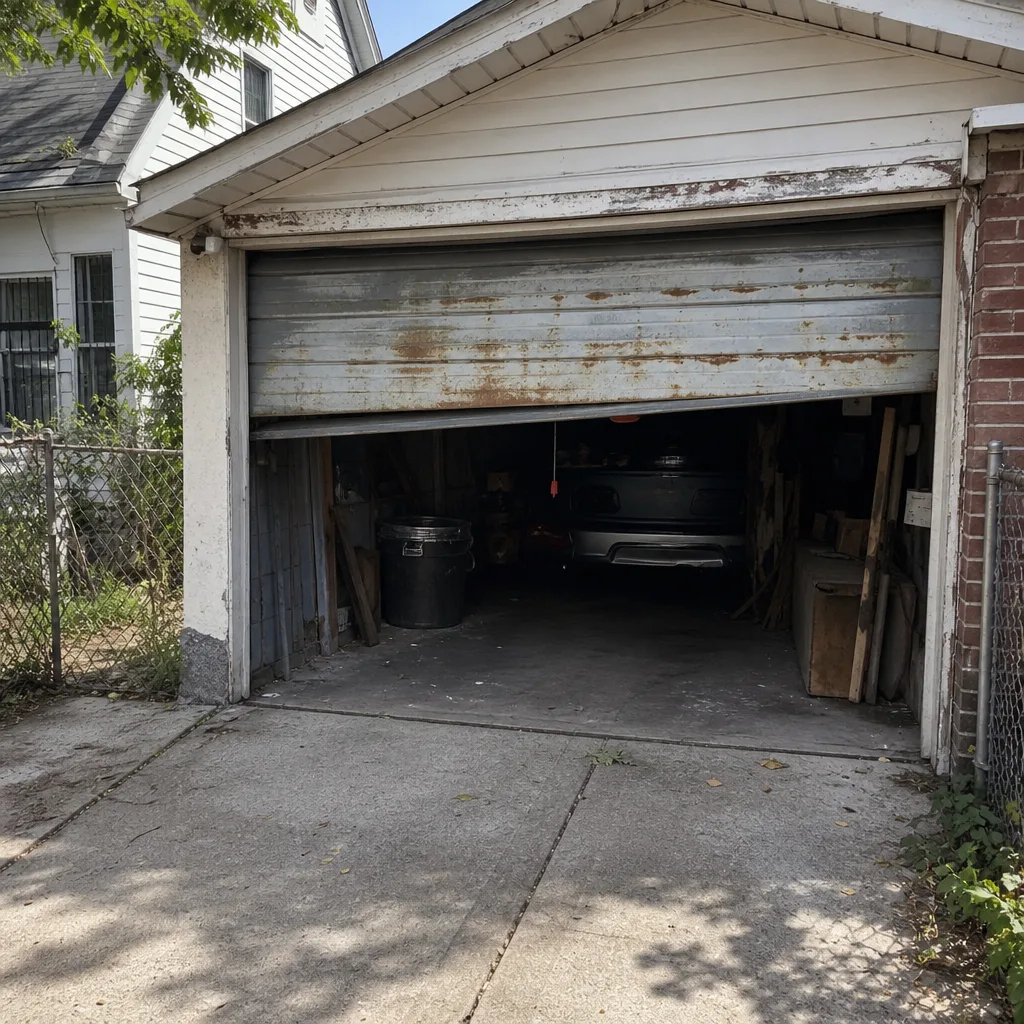 Before
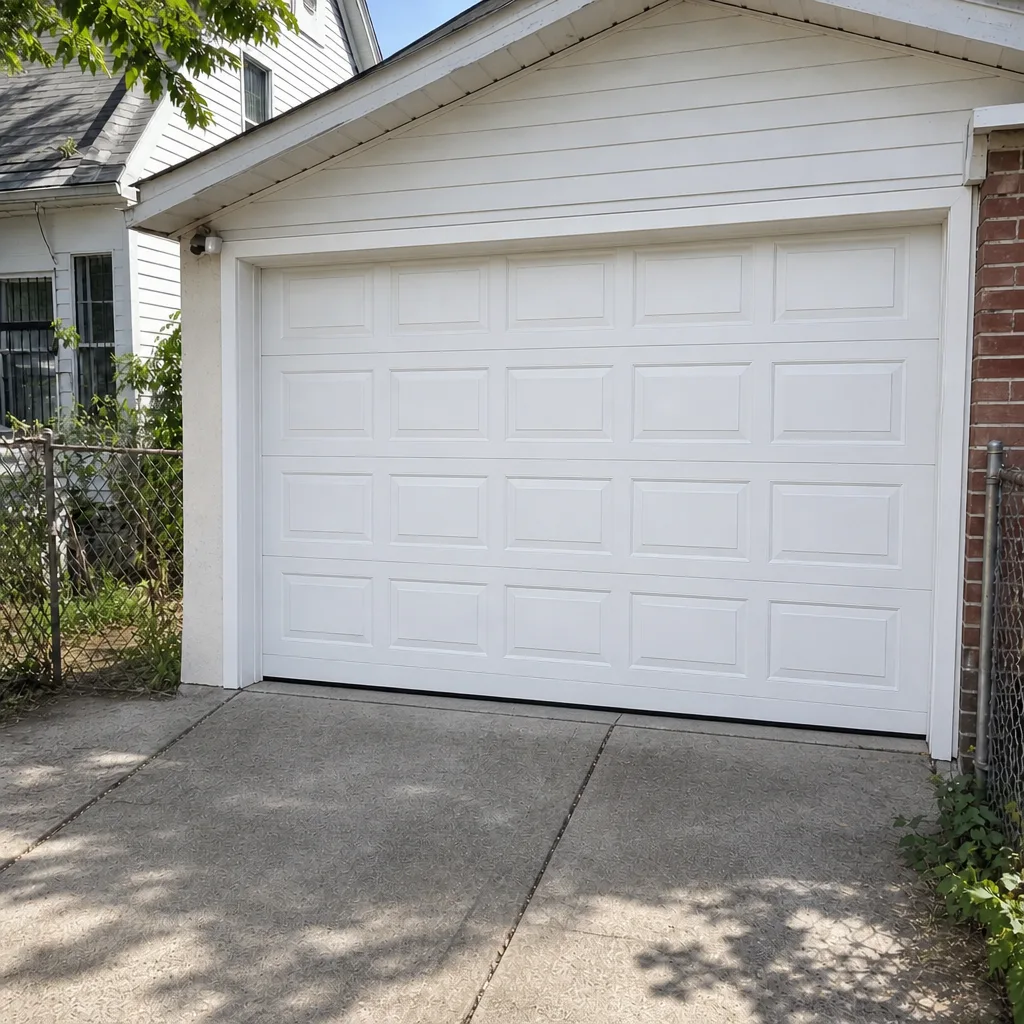 After
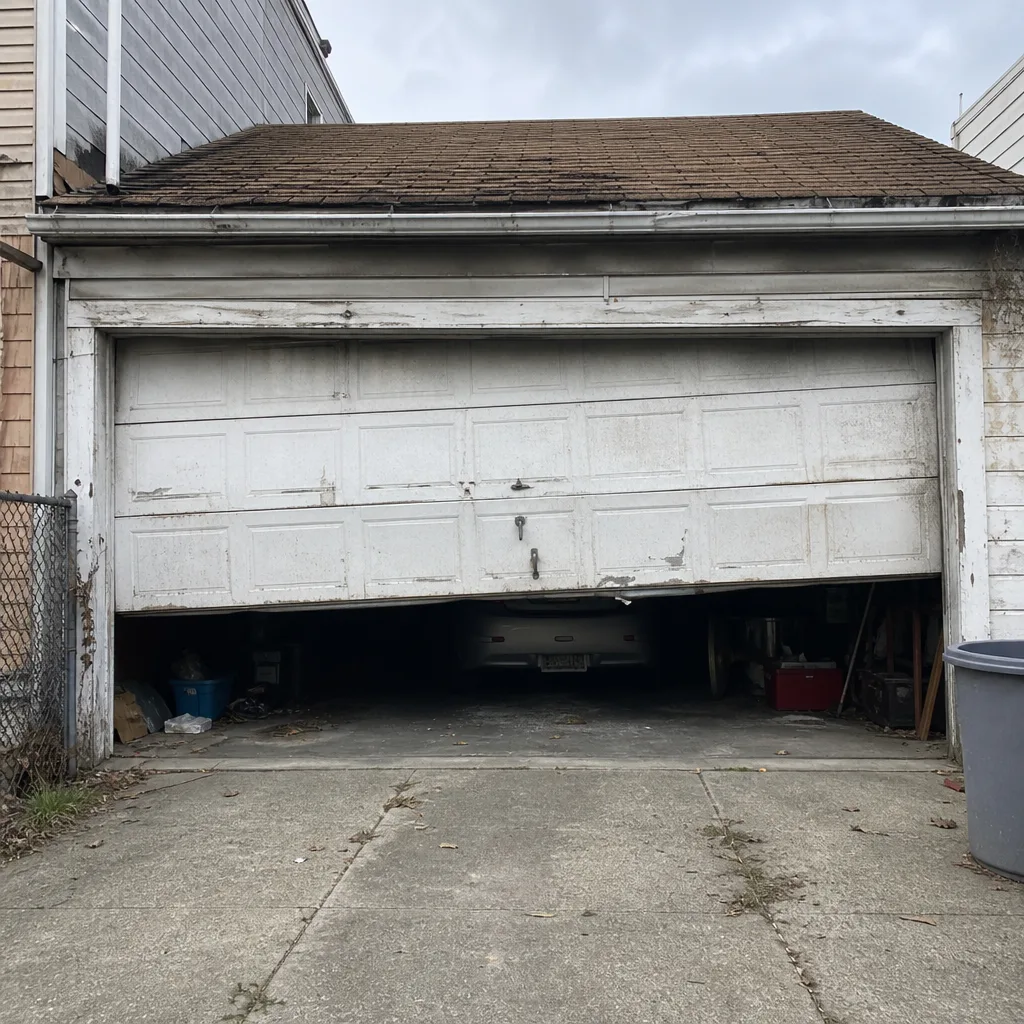 Before
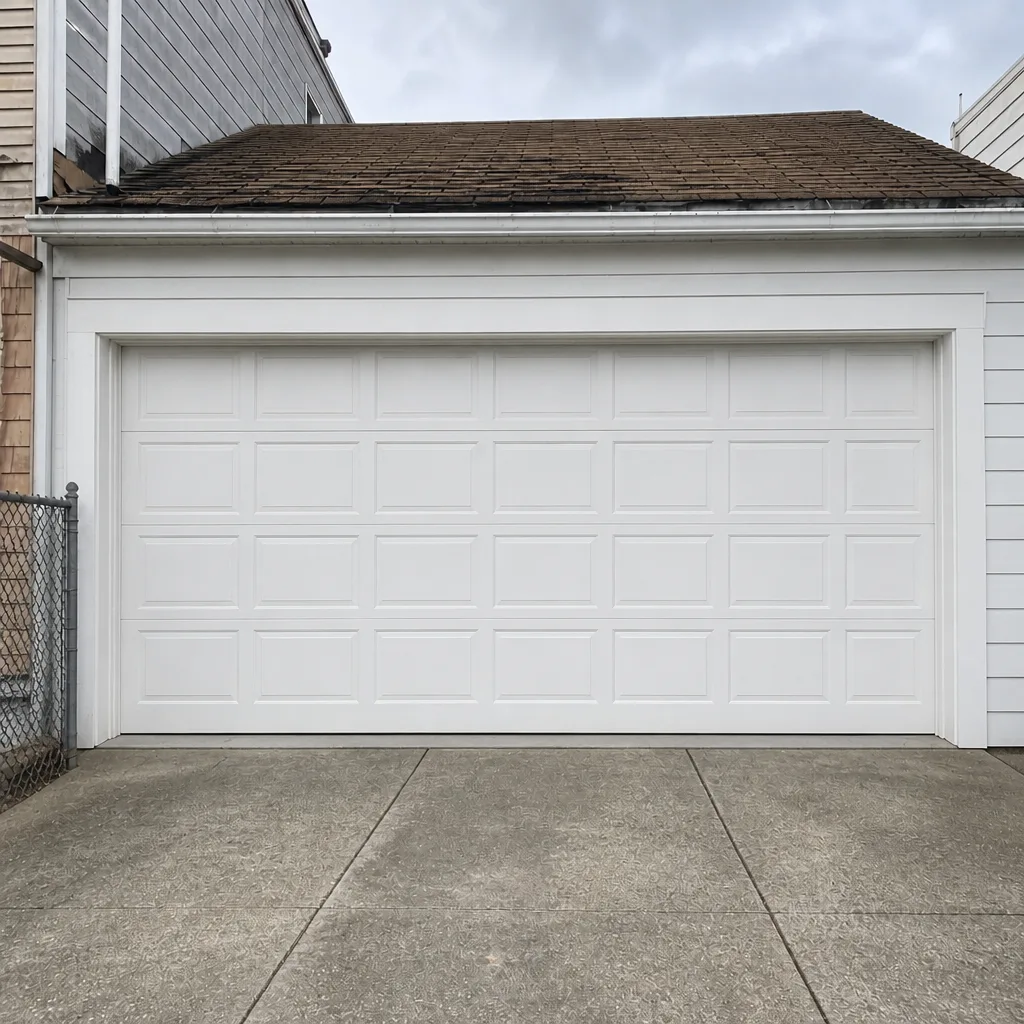 After
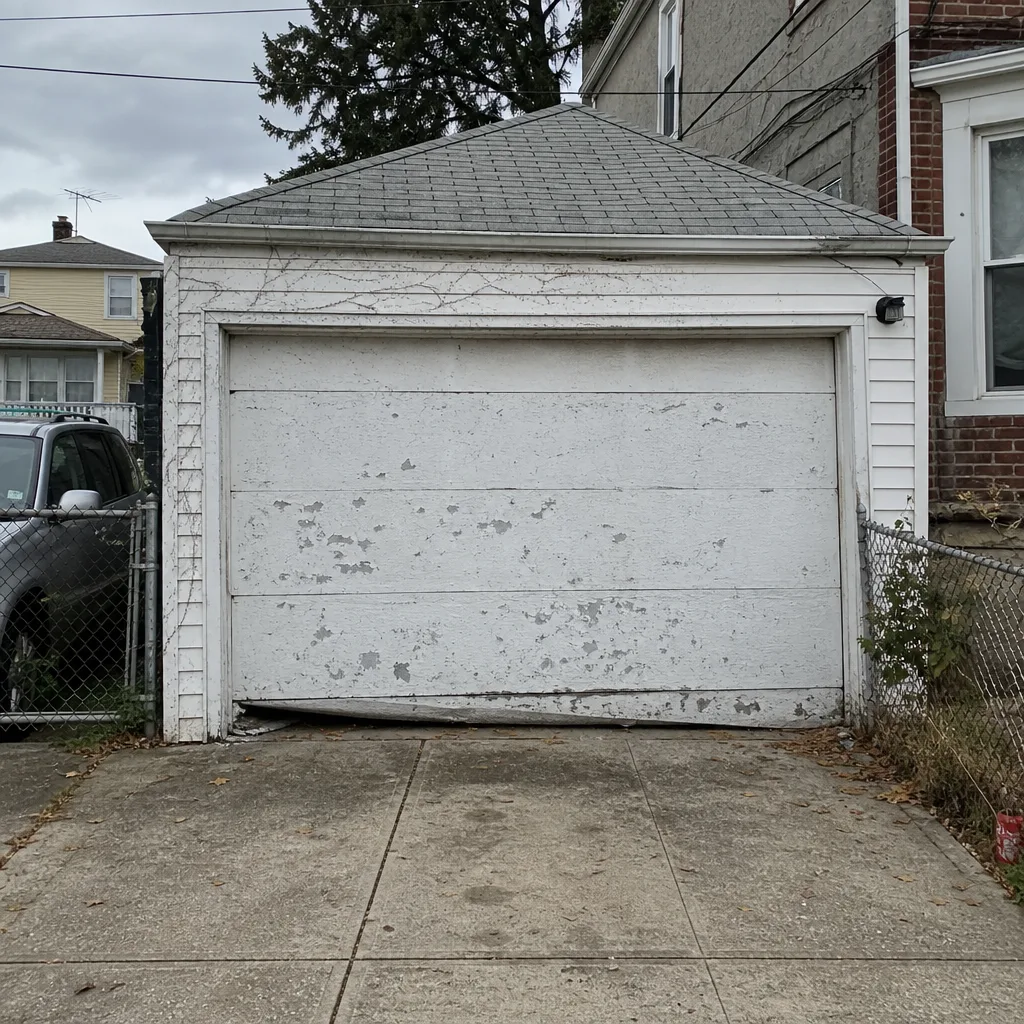 Before
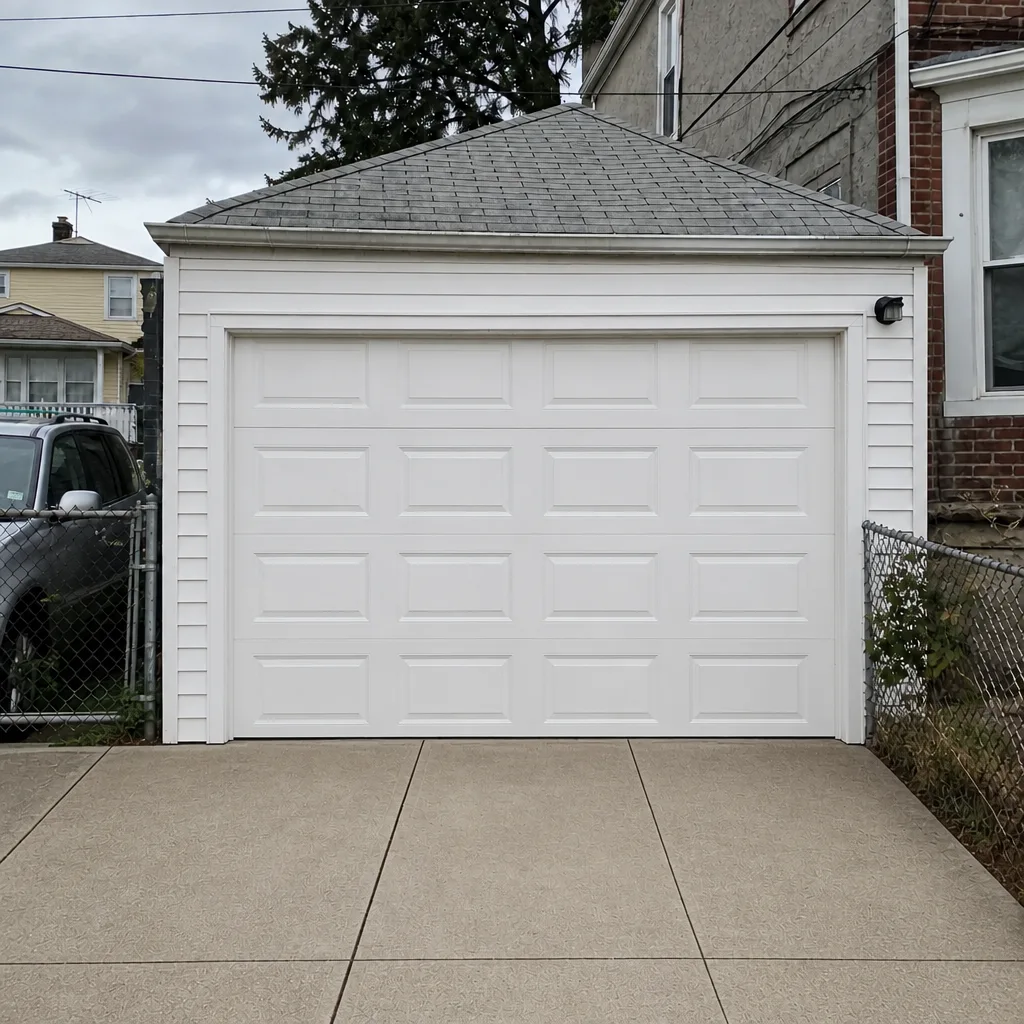 After