Last updated November 21, 2026
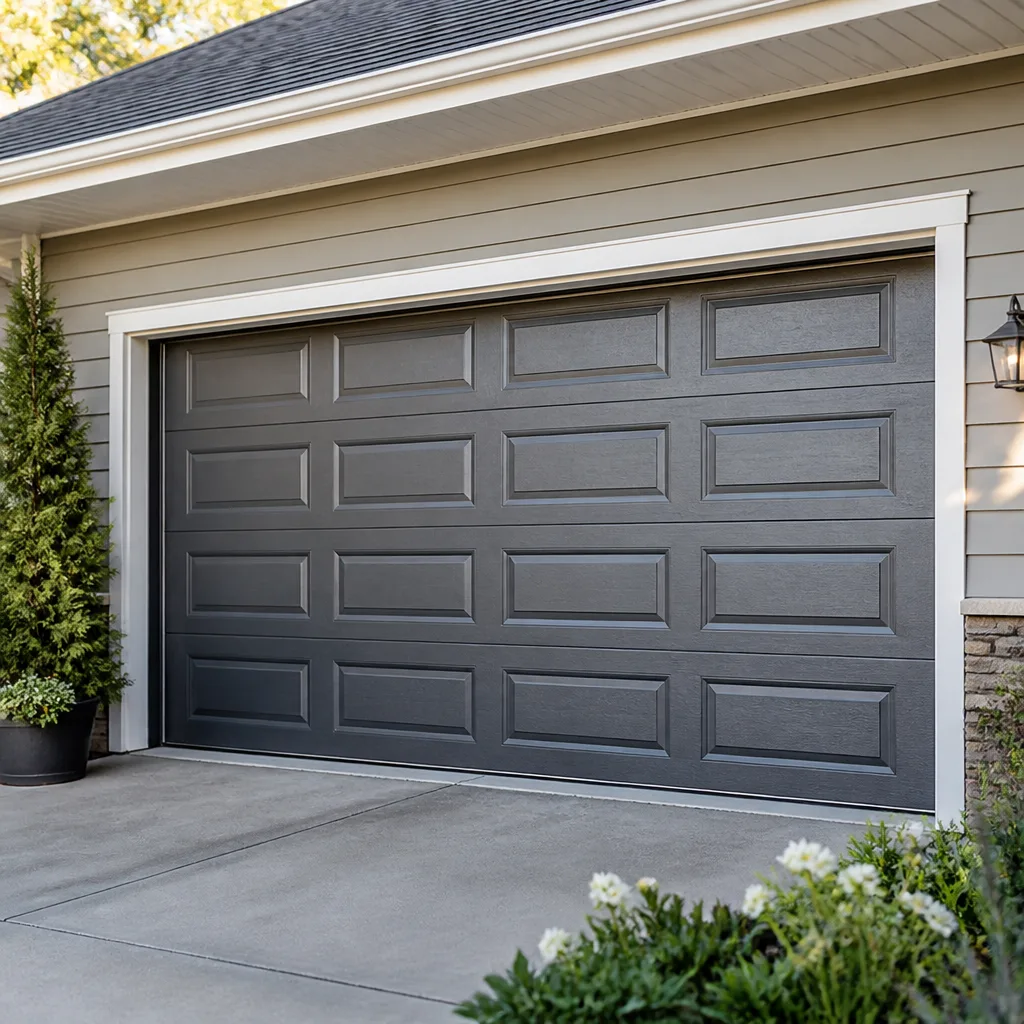 Raised-panel steel
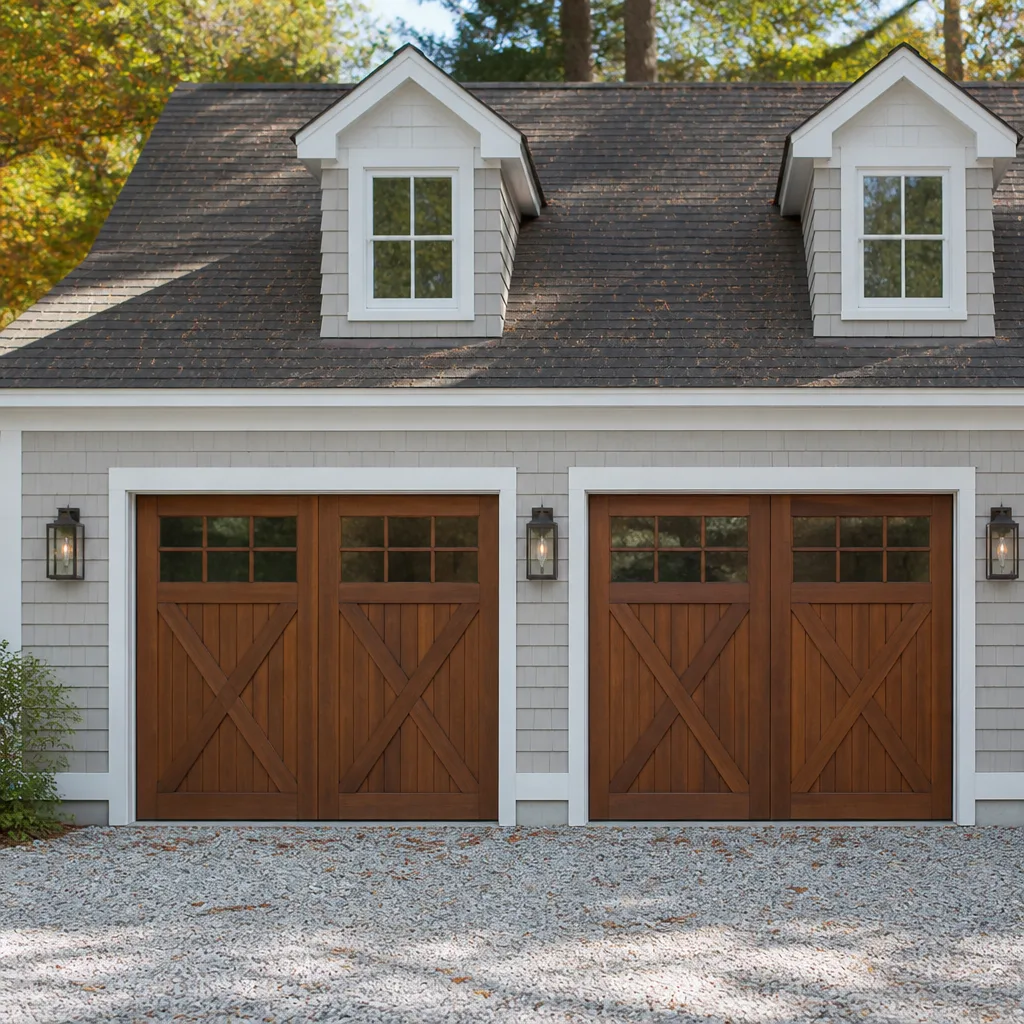 Carriage house
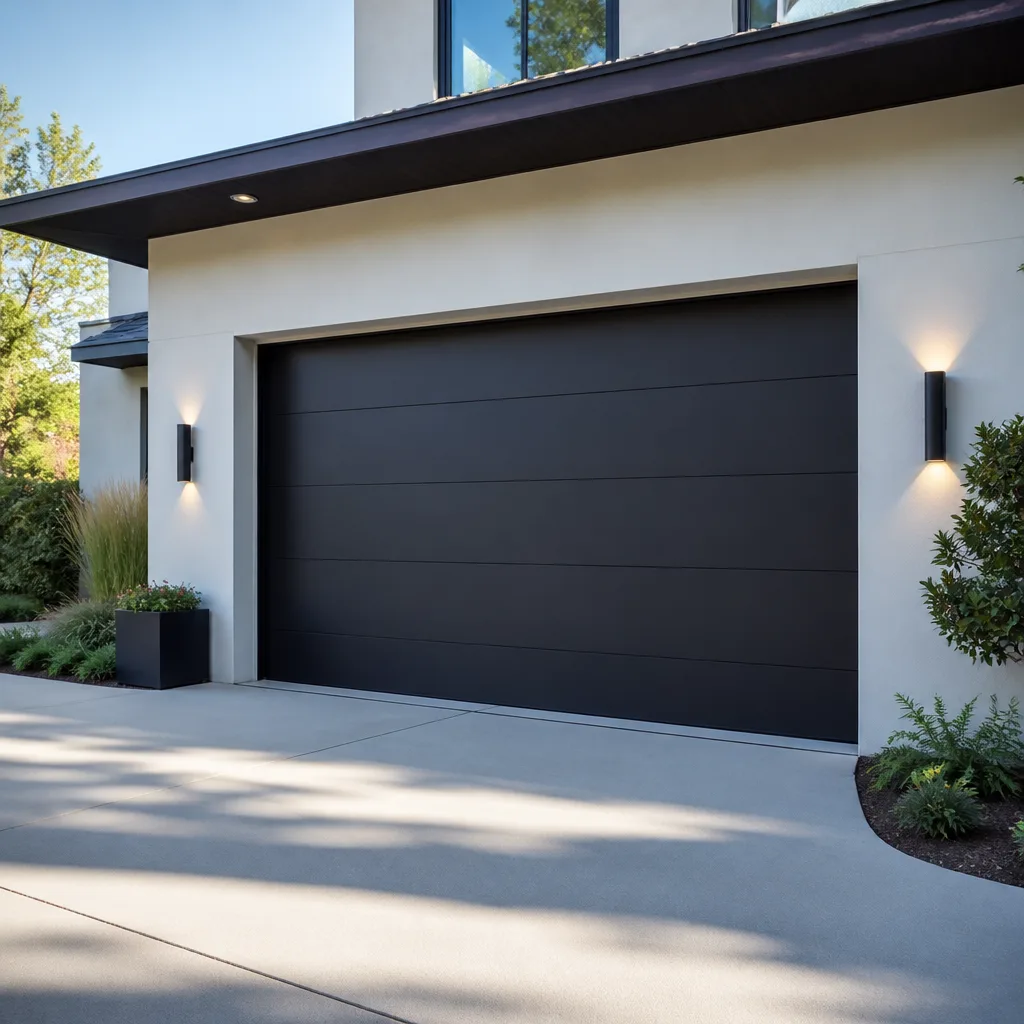 Modern flush
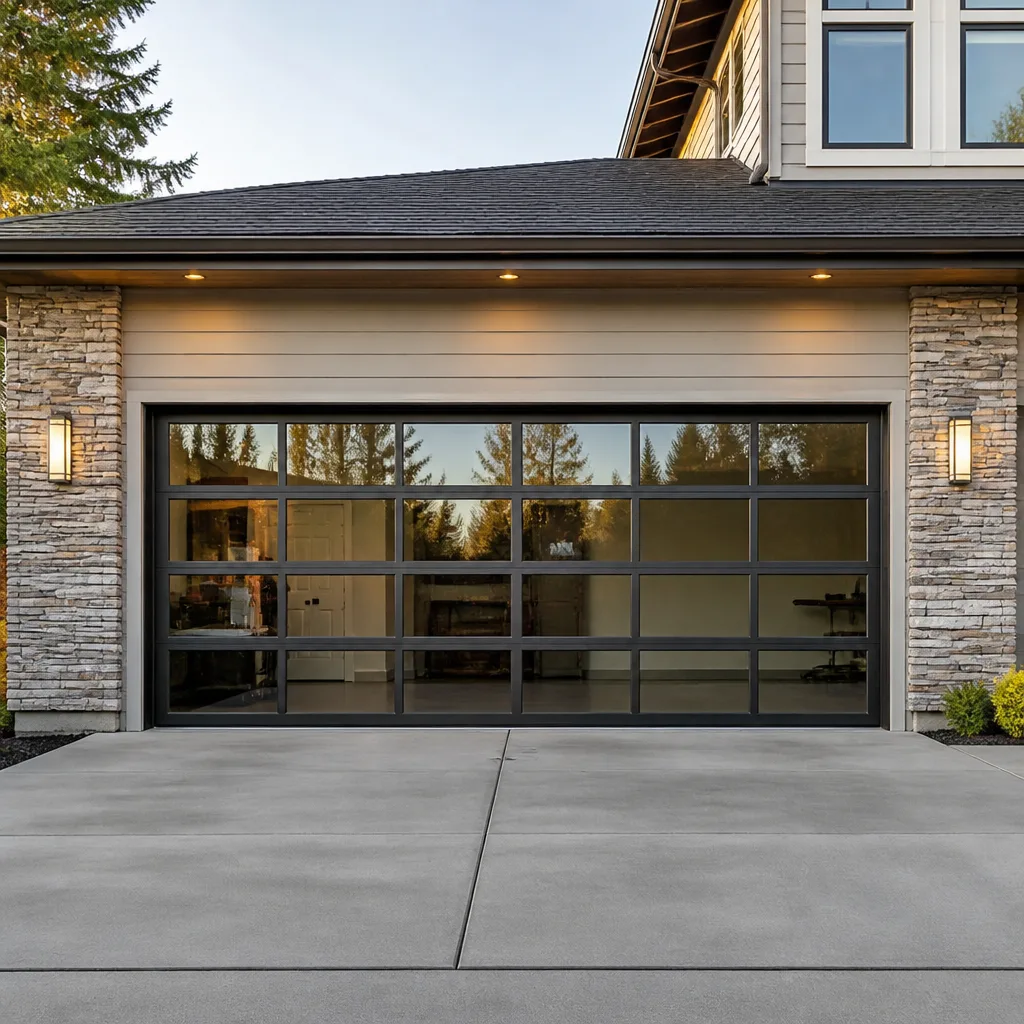 Full-view glass
 LiftMaster openers
 Chamberlain openers
Full 25-point door and opener safety check with every visit - springs, cables, rollers, tracks, and your LiftMaster or Chamberlain opener included
You get a price before we start. It does not change when the pro arrives.
Get your free estimateGarage Door Permits, Codes & Inspections in Bushwick, NY: What You Need to Know
Replacing a garage door in New York City falls into a regulatory gray zone that catches homeowners off guard at the worst possible moment, usually during a home sale, when an unpermitted structural modification shows up on a title search. The widespread assumption is that swapping a door is like swapping a light fixture: no paperwork, no inspection, no reason to call the city. That’s sometimes true in Bushwick, and sometimes it isn’t. The difference comes down to whether the work changes the opening or the structure around it, and to how your garage connects to the rest of the building. In this guide we walk through the NYC Department of Buildings rules on like-for-like swaps versus permitted work, the firestopping rules that apply to attached garages in Bushwick rowhouses, what self-certification means, how to check whether an older installation was ever permitted, and what a DOB inspection actually looks at. It’s written for homeowners who want to do this once and do it right.
Quick Answer
A straight replacement of a garage door in Bushwick with a new door of the same size, in the same opening, using the same header and tracks, generally doesn’t require a DOB permit. Work that changes the size of the opening, alters the structural framing or header, adds a new opening, or involves a fire-rated assembly between an attached garage and a dwelling usually does. When in doubt, the answer comes from the city, not from a contractor’s opinion, so confirm with the NYC Department of Buildings before anyone touches the framing.
Styles & brands we work with
- Raised-panel steel
- Carriage house
- Modern flush
- Full-view glass
- LiftMaster openers
- Chamberlain openers
Table of Contents
- When does a garage door replacement need a permit in Bushwick?
- What counts as a like-for-like swap, and when does it stop being one?
- How do NYC firestopping rules apply to attached garages in Bushwick rowhouses?
- What is self-certification, and when does a professional engineer need to sign off?
- How do you check whether a previous installation was permitted?
- What does a DOB inspection cover that a contractor’s walkthrough doesn’t?
- What does the permit and inspection process actually look like, step by step?
- Common mistakes to avoid
When does a garage door replacement need a permit in Bushwick?
A permit is triggered by structural or assembly changes, not by the door itself. If the new door goes into the same opening at the same dimensions and nobody cuts, reinforces or replaces the header, the jambs or the load-bearing framing, most homeowners in Bushwick are dealing with a plain replacement. The door is a fixture on a structure that already exists. That’s the ordinary case, and it’s the one that doesn’t produce paperwork.
The moment the work reaches into the structure, the picture changes. A permit typically comes into play when one or more of these is true:
- The opening changes size. Widening a single-car opening for a wider door, or raising the header, alters the building’s framing and usually the facade.
- Framing is modified. New headers, replaced lintels, sistered studs or a rebuilt jamb all touch the load path and call for review.
- A new opening is cut. Turning a solid wall into a garage doorway, or converting a window bay into a door opening, is structural work.
- The assembly is fire-rated. In an attached garage, the wall or door between the garage and the dwelling is often part of a rated separation, and changing it means the rating has to be maintained on paper as well as in place.
- The building is subject to other constraints. Landmark or historic district rules, zoning conditions, or an existing certificate of occupancy describing something different from what’s being built can all pull a door project into the permitting system.
We can’t tell you over the phone which category your Bushwick job falls into, and neither can any other contractor from a photo. That’s a question for the city. What we can tell you is that the honest answer usually arrives in one phone call to the DOB, and it’s much easier to make that call before the old door comes down than during a closing. Our technicians have up to 15 years of experience and can talk you through how a replacement will actually be built, which is the information you need to ask the right question.
What counts as a like-for-like swap, and when does it stop being one?
Like-for-like means the new door matches the old one in size, in configuration and in the way it hangs. Same opening width, same opening height, same track style, same counterbalance type, same header height. A sectional door goes into the spot where a sectional door was. If you’re replacing a rotted wooden panel door on the front of a Bushwick rowhouse garage with a steel sectional of the same dimensions, that’s a like-for-like in most cases. If you’re changing from a tilt-up door to a sectional, or from a manual door to an opener-driven door with a completely different counterbalance and headroom requirement, the equipment on the wall has changed even if the opening hasn’t, and it’s worth a conversation with the city about whether any part of that counts as alteration.
Where like-for-like stops being like-for-like:
- Different opening dimensions. A quarter inch of slop in the frame is fine; six inches of new width isn’t.
- Different headroom. Low-clearance track packages often require cutting down into the ceiling or relocating a beam, and both are structural.
- Different counterbalance type. Converting from extension springs to torsion springs usually requires adding a central bearing plate and possibly reinforcing the header. Some inspectors treat that as alteration, and some don’t. The only way to be sure is to ask.
- A rated door. Replacing a rated door with an unrated one in an attached-garage configuration is not a like-for-like, because the fire separation has changed.
- Aesthetic controls. A bushwick condo board, a co-op board or a local historic district may require approval of the door style or material, independent of whether the DOB cares.
We install Clopay and other major brands, and we work on the brand already in the garage when a repair makes more sense than a replacement. When the work reaches into the framing, we tell the homeowner up front that the permit question needs a real answer before we schedule, because the door only goes in once. You can see the scope of what we handle on our garage door installation page.
How do NYC firestopping rules apply to attached garages in Bushwick rowhouses?
An attached garage isn’t just a room with a car in it. In Bushwick’s rowhouse stock, the garage frequently shares a wall with the living space, or sits under the building itself with the dwelling above. That separation is intentional. The wall, ceiling and door between the garage and the dwelling are typically built to resist fire long enough for people to get out. In code terms it’s a rated assembly, and once you know it exists, everything about replacing a door in that spot changes.
The rule at the heart of it is simple: a rated assembly stays rated. If the existing garage door between the car and the house is a rated door, the new one has to be rated too, and the label, listing or documentation needs to reflect that. If the tracks and frames in a rated wall have to be replaced, the firestopping around them needs to be reinstated so the assembly doesn’t have a gap. Gaps happen. Concrete shrinkage, settling, and the ordinary wear of a Bushwick rowhouse that’s been standing for a hundred years all produce openings that someone later fills with foam. Not all of that foam is fire-rated. Not all of that caulk is either.
A few things follow from this:
- Self-closing hardware matters. A rated garage door assembly can require a self-closing device so the door swings or drops back into the closed position on its own. If yours has one, keep it. If yours had one and it was removed at some point, that’s worth knowing.
- Labels are part of the picture. Rated doors ship with labeling showing what they’re rated for. If the label is gone, the assumption of a rating is gone with it.
- Don’t foam a gap you don’t understand. If the wall between the garage and the dwelling has a visible gap and someone has been at it with expanding foam, have that evaluated before the new door goes on.
This is the part of a garage door project that surprises Bushwick homeowners most, because the rules aren’t visible from the curb. The building department is the authority on what your assembly needs, and a licensed architect or engineer is the person who determines how to keep it compliant. We handle the door and the operating system. We don’t sign off on fire ratings, and you shouldn’t hire anyone who offers to.
What is self-certification, and when does a professional engineer need to sign off?
Self-certification is a process under NYC Department of Buildings rules that lets certain licensed professionals file plans and attest to compliance on their own signature, rather than going through the longer plan-examination queue. In practice that means a licensed architect, a licensed professional engineer or an eligible licensed contractor with a filing designation can submit a job and represent that the design and the work meet code. The city still audits those filings. It doesn’t just hand out approvals and look the other way.
Where that matters for a Bushwick garage door project is at the boundary between the door and the structure around it. When work reaches into the framing, the header or a rated assembly, someone with the right license has to put their name on how the assembly will perform. That person is not the door installer. It’s an architect or engineer, or a contractor authorized to self-certify that specific class of work. We don’t self-certify, and we don’t sign structural drawings. If a garage door project of yours requires a filing, we can walk you through what the door and operator spec will be, because those details go into the drawings. The design professional handles the rest.
A few practical points:
- Ask who is filing. On any job that requires a permit, find out upfront whether a filing is involved and who’s making it. A garage door replacement that doesn’t need a permit gets no filing at all, and that’s fine.
- Ask whether the filing is a plan exam or a self-certification. Self-certification generally moves faster, but a plan exam is appropriate in more complex cases. The filing professional makes that call.
- Don’t accept verbal confirmation as proof of filing. If a filing was made, there’s a record of it. Ask to see the filing number on the DOB’s system.
- Know the limits of a door contractor’s role. We bring the door spec, we bring the equipment and we install it correctly. A door company that says it will “handle the permits for you” on structural work is telling you something about themselves.
If your garage door project starts looking like a permit job, the fastest path is usually to talk to the city first, then to the door specialist. Call (888) 839-3311 for a free estimate on the door and opener scope, and ask the DOB about the filing question separately. That two-call sequence saves the most time.
How do you check whether a previous installation was permitted?
The NYC Department of Buildings keeps a public record of permit filings and inspections, and you can search that record by address. If someone who lived in your Bushwick rowhouse before you replaced the garage door and the work involved structural changes, there’s a good chance a record exists. If the door is original or was replaced as a like-for-like, there may be no record at all, and the lack of a record isn’t a problem. The point is to know what you have before a title company tells you something you didn’t know.
Here’s how to check, in order:
- Look up the property’s permit history. The DOB’s online records system lets you search by address for filed permits, and the property’s certificate of occupancy is part of the same record. Read both.
- Compare the record to what’s actually on the building. Does the door opening match the dimensions in the drawings? Does the certificate of occupancy describe a garage? A structure that used to be a garage and has since been converted isn’t the same problem, but it’s the same address.
- Look at the door itself. Look for a manufacturer’s label, a model number, or any marking that shows the door’s rating or its intended use. A rated door in an attached garage should be labeled as rated.
- Check the wall between the garage and the dwelling. If there’s a self-closing hinge and a rated label on the door, that’s a good sign the assembly was done with the rules in mind. If the door is an unlabeled blank slab and the frame is foamed, that’s a sign to ask questions.
- If nothing turns up, do nothing. A missing permit is often not a missing permit, it’s a door that never needed one. Don’t start pulling paperwork on a like-for-like replacement that has left no trace at the city because it didn’t need to.
- If something turns up, get the city’s read before anyone else’s. An existing record that conflicts with current conditions is a question for the DOB, or for an architect or engineer who files with them.
In our experience, most Bushwick garage door replacements we’re called to are just replacements, and there’s no permit to find because none was needed. The homeowners who ask this question most often are the ones doing a real estate transaction, and they deserve a clear answer rather than a nervous contractor guessing at them.
What does a DOB inspection cover that a contractor’s walkthrough doesn’t?
They’re not interchangeable, and treating them as the same thing gets homeowners into trouble. A DOB inspection is a code enforcement action. It’s performed by a city inspector or a licensed professional acting under the DOB’s process, and its job is to confirm that what was filed was built, and that what was built meets the code that governs it. A contractor’s own quality check is a workmanship review. It’s about whether the door operates correctly, seals correctly, and is safe to use. Both matter, but only one of them produces a record at the city and settles a compliance question.
What the DOB inspection tends to look at:
- Filed vs. built. Does the structure match the drawings and the permit application? Dimensions, framing, openings.
- Rated assembly. If the plan called for a rated assembly, is the assembly in place and labeled? Is the firestopping reinstated around the new opening?
- Life-safety hardware. Self-closing devices, structure, and anything else the approved plan describes must be there.
- Compliance with the specific scope of the permit. The inspector is not looking at your project broadly, only at the parts the permit covered.
What it doesn’t cover:
- Seal and weathertightness. Whether the door closes against its stop cleanly isn’t the city’s question.
- Balance, spring adjustment or opener travel. Whether the door travels smoothly and stops where it should is a workmanship and safety question for the installer.
- Cosmetic alignment and finish. Yours to judge, not the city’s.
- Whether your car fits. We’ve had to say this out loud more than once.
So the right way to think about it: a DOB inspection is the piece of the process that produces a record, and a contractor’s walkthrough is the piece that leaves you with a door that works. If the permitted work was done, the inspection happens at the end and the record closes out. If a contractor’s quality check is what you want, every valid installation ends with one anyway. For non-permitted repairs like springs, openers and track work, the contractor’s walkthrough is the only inspection that happens, and it should be thorough because there’s nothing else coming behind it. See garage door repair for the scope of what a repair visit covers.
What does the permit and inspection process actually look like, step by step?
When a garage door project in Bushwick does require a permit, the sequence looks roughly like this. Timelines vary by job and by what the building department needs, so treat this as the order of operations rather than a schedule.
- Confirm with the DOB whether a permit is required. Call the city, describe the scope, and get the answer. This is the step that saves the most time and the most money.
- Engage a licensed architect or engineer if the work touches structure or a rated assembly. That person produces the drawings and files the application. The door spec goes into the drawings, so bring the door specialist’s input to that conversation.
- Submit the filing and answer any plan examiner questions. Straightforward residential filings tend to move along. Questions from the examiner are common and not a sign of trouble.
- Receive the permit before work starts. The permit should be on site when the door goes in. Nobody starts framing without it.
- Complete the installation. Door, tracks, counterbalance, opener as specified. Rated assembly carried through where the drawing requires it.
- Schedule the inspection. The inspection is at the end of the permitted work, and it’s where the record closes out. Correct any punch-list items and confirm the sign-off.
- Keep the paperwork with the property records. The next owner of a Bushwick rowhouse will thank you, or at least won’t have to call an architect to sort out what you did.
For a like-for-like replacement where none of this applies, the whole process is step zero: get the door installed, get your walkthrough, get the paperwork from the installer and file it. If your opener needs any work as part of the install, see garage door opener repair for the specific scope.
Common Mistakes to Avoid
- Assuming every garage door replacement needs a permit. The average like-for-like swap in a Bushwick rowhouse doesn’t, and pulling paperwork on a job that doesn’t need any just costs money and time. Ask the city before you assume either way.
- Assuming no garage door replacement ever needs a permit. The flip side of the first mistake, and the one that hurts more at a title search. Any work that touches the opening, the framing or a rated assembly needs the permit question answered first.
- Letting a door installer make structural decisions. A garage door company understands the door, the counterbalance and the operator. It doesn’t draft drawings and it doesn’t certify fire-rated assemblies. Keep the roles separate on purpose.
- Foaming gaps in the rated wall. It’s tempting to close a visible gap between the garage and the dwelling with whatever’s on the shelf. Some foam isn’t fire-rated, and putting it there can undo a rated assembly that was doing its job.
- Replacing a labeled rated door with an unlabeled door. In an attached-garage configuration, the rating isn’t optional. The label, the model number and the listing on the new door matter as much as the door itself.
- Relying on a verbal “we handle the paperwork.” If a filing was made, there’s a filing number. If it wasn’t, no amount of goodwill is a substitute. Bushwick homeowners in a real-estate transaction should always ask to see the number.
- Skipping the file after the job. Save the permit, the inspection sign-off and the door documentation with the property records. It’s the cheapest insurance you’ll ever buy for a future sale.
See the difference
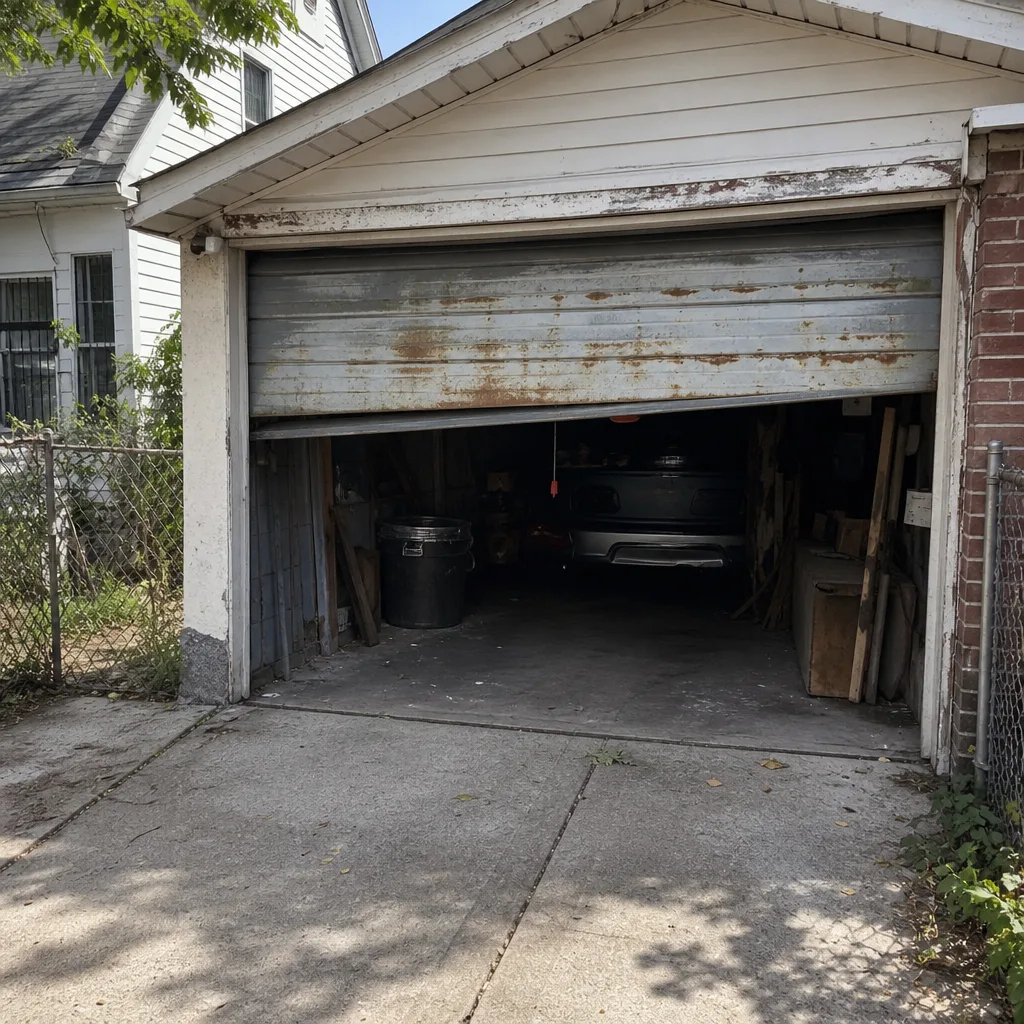 Before
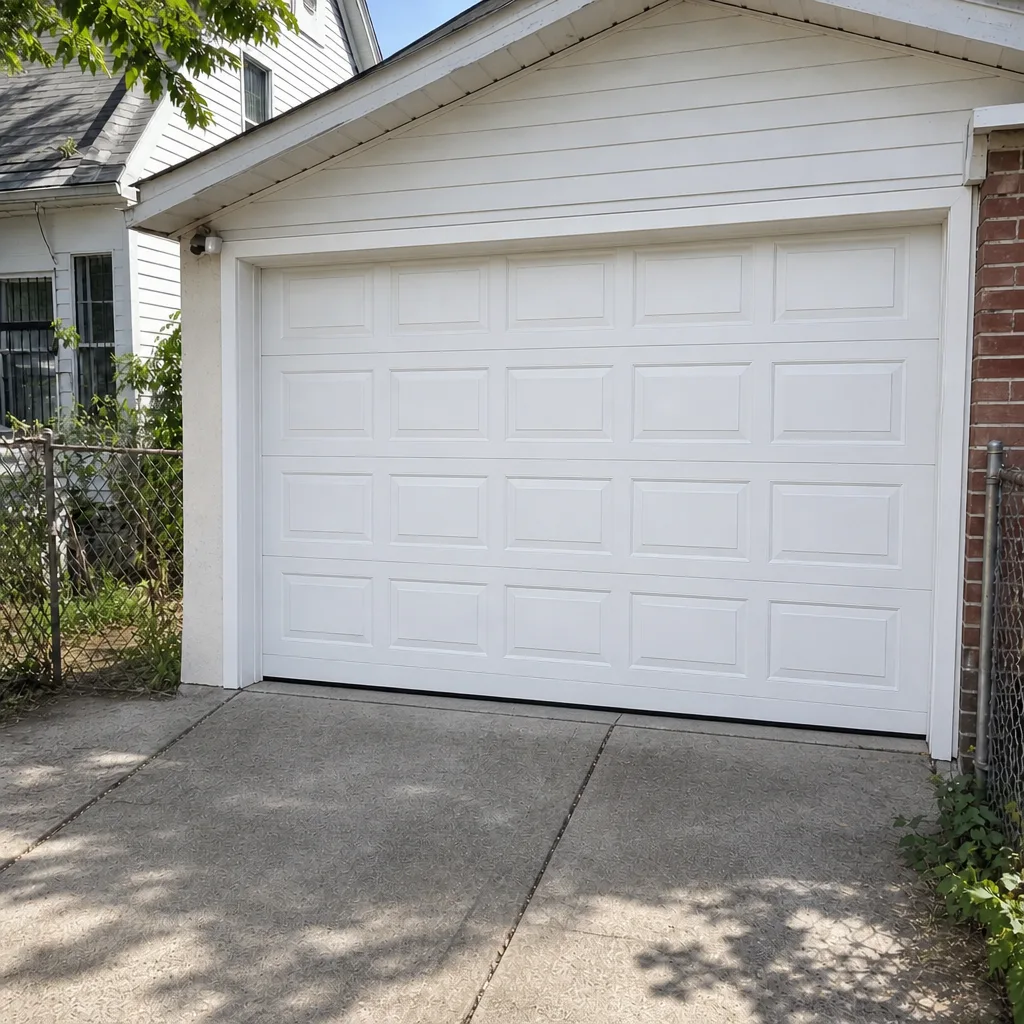 After
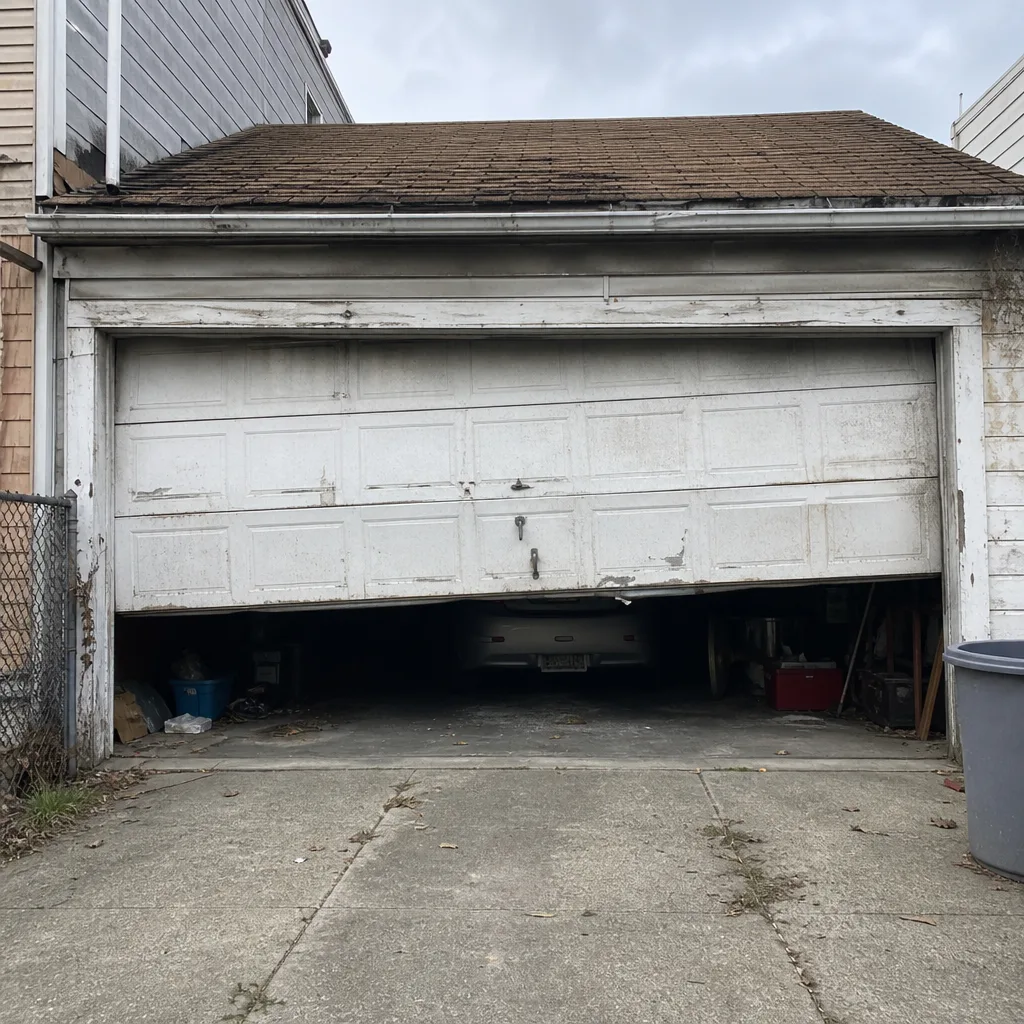 Before
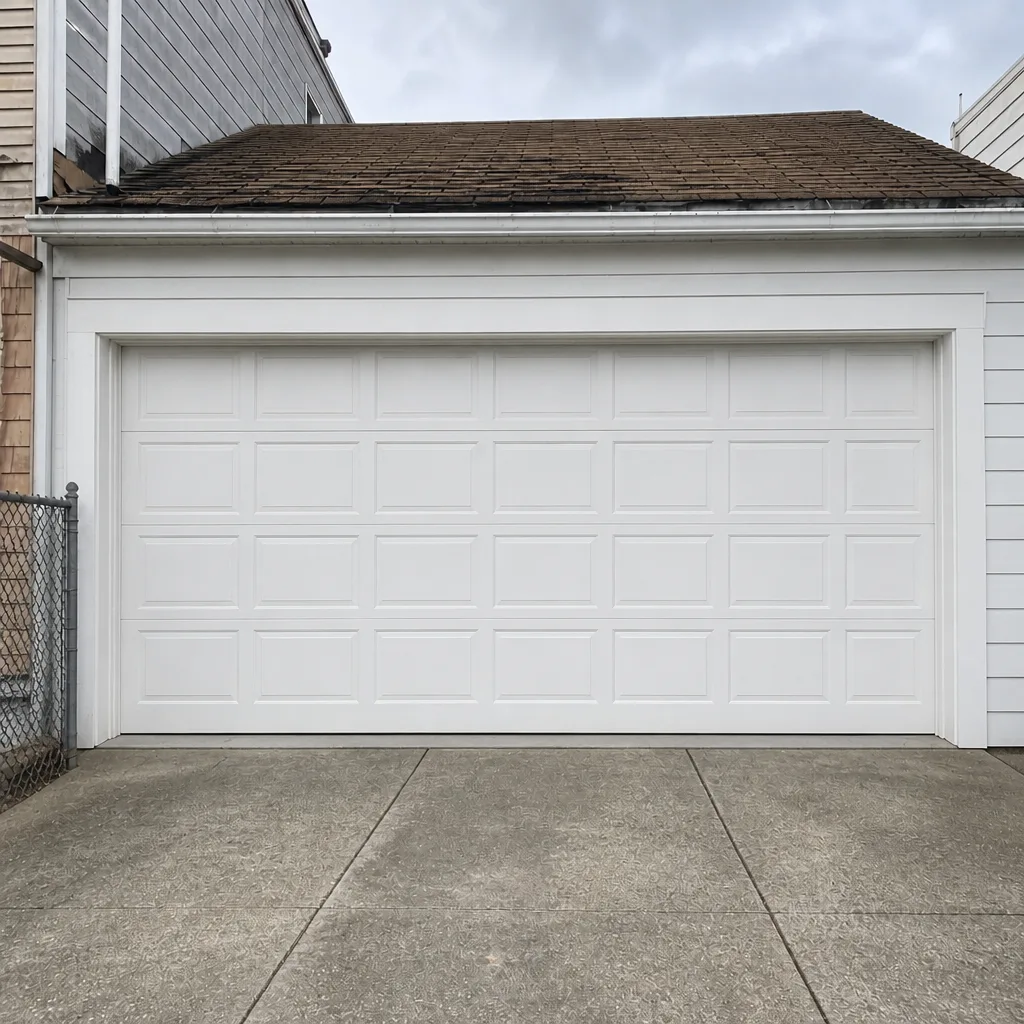 After
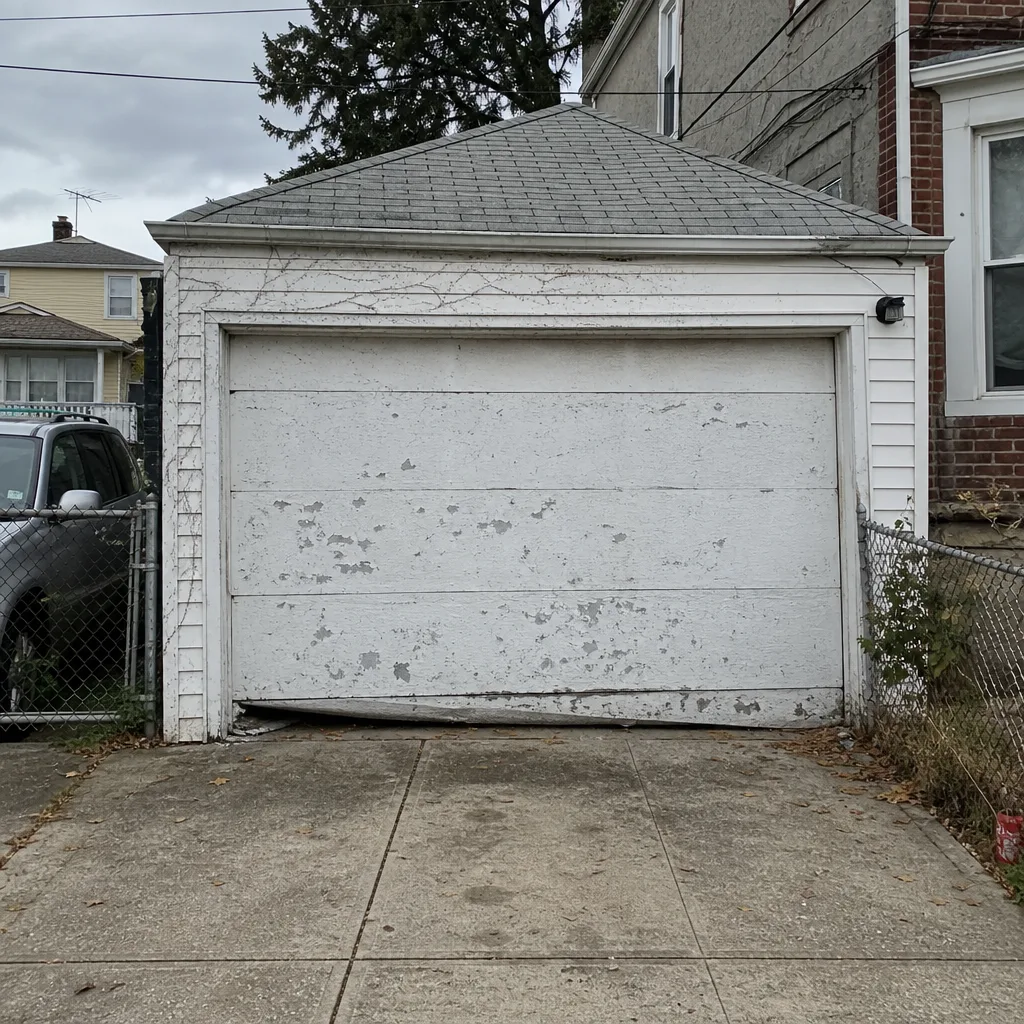 Before
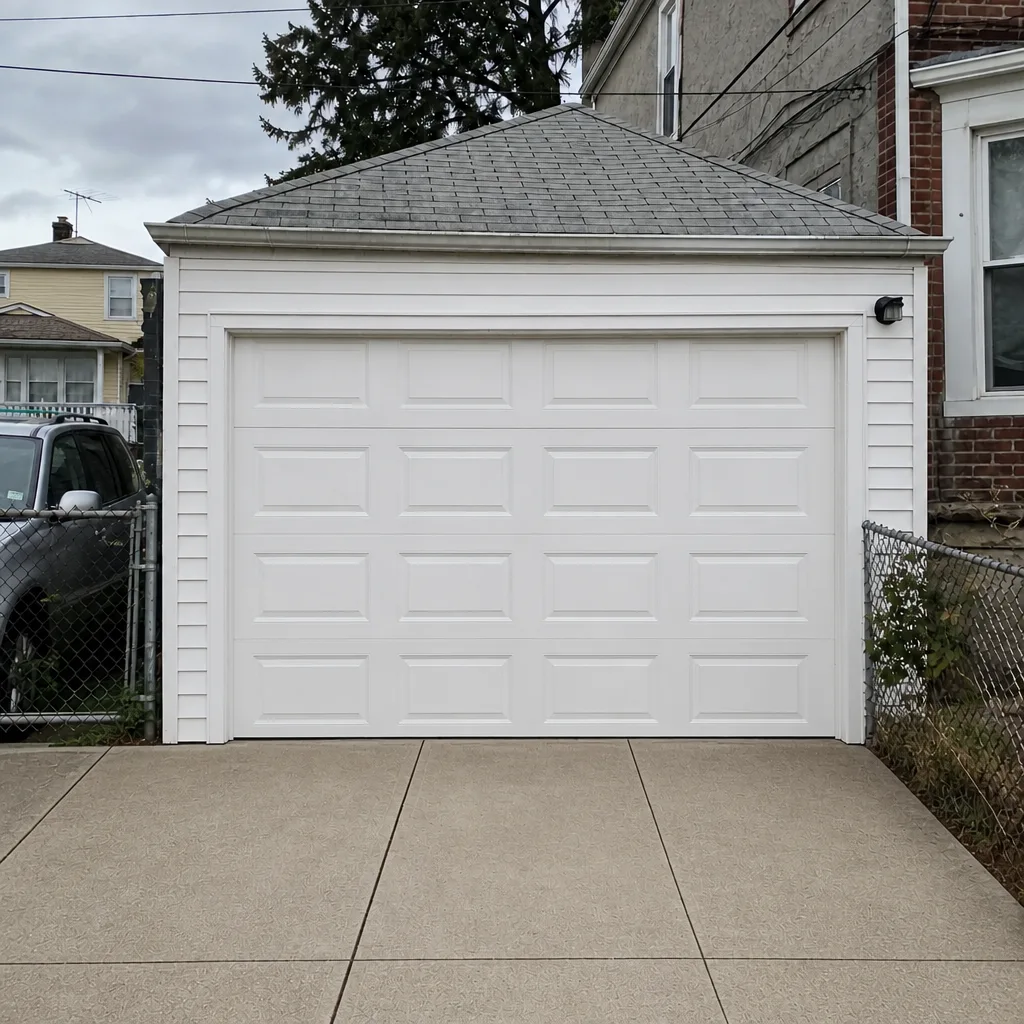 After
When to Call a Professional
Call a specialist when the failure is mechanical or electrical, and call the city when the question is regulatory. For a broken spring, a door that’s come off its track, a snapped cable, a dead opener or a door that won’t close, the fix is work for a trained door technician and it’s not a project to attempt at home. High-tension springs and tensioned cables are under extreme load, and an untrained attempt can cause serious injury. The same is true of opener wiring and any work inside a powered unit. If you’re considering a full replacement and the question is whether a permit is involved, start with the DOB, and then bring a door specialist in to scope the equipment. Garage Door Repair Bushwick offers free estimates in Bushwick. Call (888) 839-3311 to schedule a visit. We work on LiftMaster, Chamberlain, Genie and Clopay equipment along with the other major brands, and we can walk you through the door spec whether or not a filing ends up in play.
Frequently Asked Questions
Usually no, if the replacement is like-for-like: same opening size, same framing, same configuration. Permits typically come into play when the opening changes, framing or headers are modified, a new opening is cut, or the door is part of a rated fire assembly between an attached garage and the dwelling. Confirm with the NYC Department of Buildings before scheduling any structural work. Call (888) 839-3311 for a free estimate on the door scope once the city question is settled.
It needs a contractor’s walkthrough, but not a DOB inspection. A DOB inspection only applies to permitted work and is there to confirm the build matches the filing. A contractor’s walkthrough covers balance, travel, sealing, safety reverse and the full open-close cycle, and it’s the check that matters on a like-for-like replacement. Call (888) 839-3311 if you want a walkthrough of an existing installation and a free estimate on any needed repairs.
Inspection fees are set by the DOB and by the licensed professional handling the filing, not by the garage door company. What we charge for is the door, the opener, the installation and the workmanship walkthrough; the filing side is billed separately by the design professional and by the city. That keeps the roles clean and stops anyone from signing off on their own work. Call (888) 839-3311 for a free estimate on the door and an honest read on what’s a door question versus a permit question.
Timelines depend on the filing class, on how complex the drawings are and on the DOB’s current workload, so there’s no number we’d stand behind. What we can say is that a self-certified filing and a plan-exam filing move at different paces, and the filing professional handling your project can give you a realistic range. Call (888) 839-3311 and we can line up the door spec so the filing isn’t waiting on equipment details.
Not in a rated assembly, no. If the existing door between the garage and the dwelling is rated, the replacement has to hold the same rating, and the label and listing need to reflect that. Replacing a rated assembly with an unrated door changes the fire separation, which is exactly what the code is designed to protect. Call (888) 839-3311 and we can scope a rated replacement and put you in touch with the filing side.
Find out from the DOB whether a permit was ever filed for that installation, and if one wasn’t, whether one was required. If the work was a like-for-like replacement, there’s often no record because there was nothing to file. If it wasn’t, the fix is a proper filing, which the licensed professional handling the project can walk you through. Call (888) 839-3311 for a free estimate on any door work the transaction surfaces, and get the paperwork question sorted with the city at the same time.
The Bottom Line
Most garage door replacements in Bushwick are like-for-like swaps that don’t need a permit, and a fair number of the ones that do need one involve homeowners who assumed otherwise. The dividing line is structure and fire separation: same opening, no problem; new opening, framed changes or a rated assembly, get the city involved. Self-certification is for licensed professionals, not for door companies. And a DOB inspection is a compliance record, while a contractor’s walkthrough is a workmanship review. Keep the roles where they belong, ask the city first when the structure is in play, and you’ll save yourself the headache at a title search. If it’s the door that’s giving you trouble, that’s a call for a specialist. We handle Garage Door Repair Bushwick jobs across the neighborhood, including spring work, opener troubleshooting and full replacements. Call (888) 839-3311 for a free estimate, and we’ll give you a clear read on what the door needs. Prices are quoted and agreed before any work starts, and our technicians have up to 15 years of experience with the equipment in Bushwick garages.
Written by the team at Garage Door Repair Bushwick.